Commercial definition
Identity lens: Honey is a trade description generally associated with mixed yellow-brass solids.
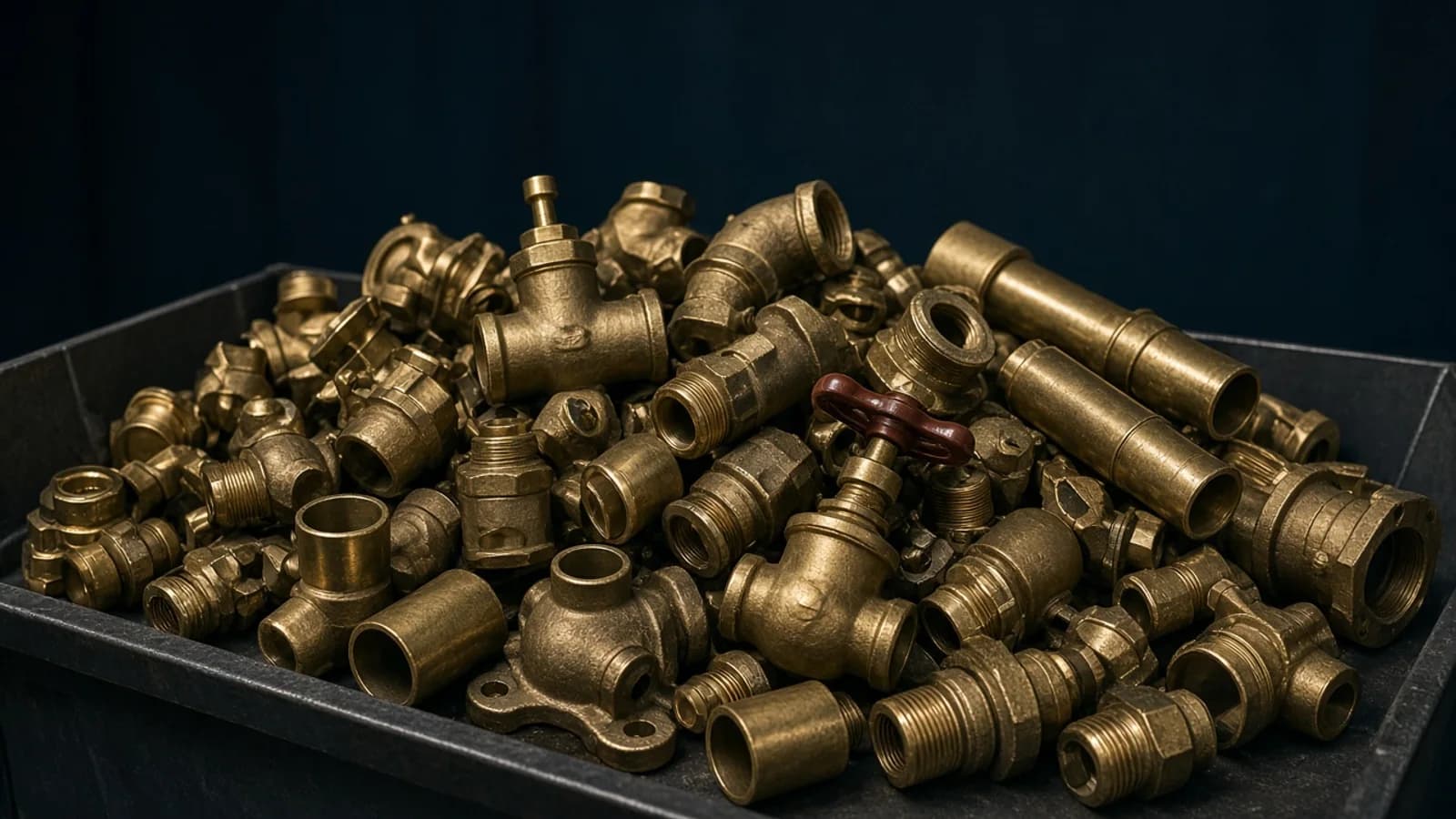
A sourcing brief for mixed yellow-brass solids sold as Honey. Honey is a trade description generally associated with mixed yellow-brass solids. Typical pieces may include castings, valves, fittings, rod ends or hardware, but actual lots vary and the agreed description must state permitted forms and attachments.
Desk answer
Honey is not a synonym for all brass scrap: it is distinct from segregated turnings, radiators, cartridge brass, red brass and declared single-alloy production scrap.
Applications
Typical users, supply profiles and points to clarify before a discussion.
Downstream route: Suitable mixed brass solids may supply brass remelters, foundries or processors that sort and prepare feedstock for their own recipes.
Identity lens: Honey is a trade description generally associated with mixed yellow-brass solids.
Grade lens: Honey appears in recognised recycled-material nomenclature, yet published wording, market custom and buyer specifications may differ.
Inspection lens: Sorters look for excessive semi-red brass, bronze, manganese bronze, aluminium bronze, radiators, iron, stainless steel, plastic, rubber and plated assemblies.
Trade identity
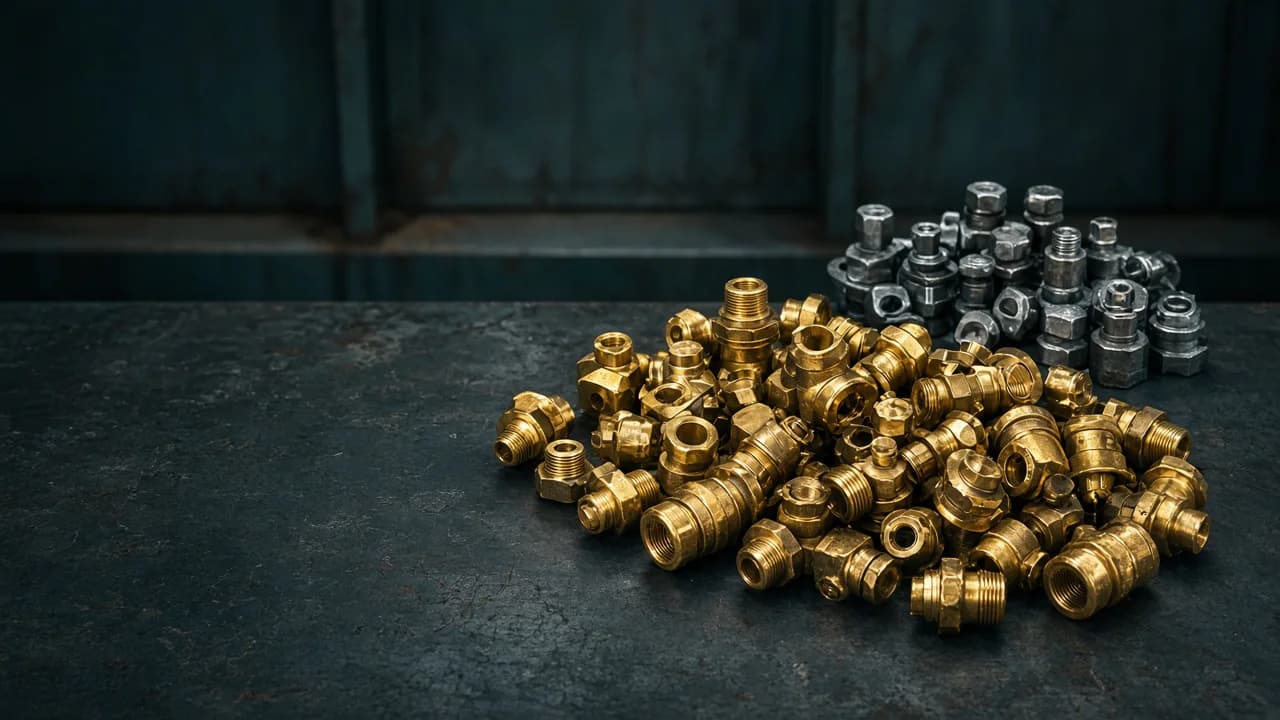
Honey is a commercial description for a mixture of solid yellow-brass scrap rather than a single manufactured alloy. A load may combine valves, taps, fittings, cast parts, hardware and clean rod or forging remnants.
The name describes a trading family, not the exact contents of every consignment. Purchase terms should therefore identify accepted forms, excluded materials, preparation level and the inspection basis for the actual lot.
Alloy reading
Yellow brass is principally a copper-zinc alloy family, but mixed Honey solids can bring several compositions into one parcel. Colour or a familiar component shape cannot establish copper recovery or a precise chemistry.
Any grade reference must be checked against the named specification, edition and buyer requirements. There is no universal elemental threshold implied by the word Honey, so analytical limits belong in the contract when they matter.
Boundary sorting
Bronze and semi-red brass should not be treated as interchangeable with mixed yellow brass, even when weathering makes them look similar. Sorting may require clean surfaces, representative checks and instrument readings rather than colour alone.
Radiators are a distinct composite stream, while fasteners, iron inserts, stainless parts, plastic, rubber and plated attachments alter the delivered mix. Their permitted quantity and removal standard need explicit agreement.
Furnace preparation
Receiving control can combine visual sorting, magnets, handheld analysis and selective dismantling to identify off-grade metals and non-metallic attachments. Sampling should reflect the parcel instead of relying on its cleanest visible layer.
Before foundry delivery, pieces may need sizing, removal of closed or unsafe items, and segregation to the receiver’s furnace recipe. The required preparation follows the plant’s process, handling limits and agreed contamination rules.
Load integrity
Valves, housings and other hollow pieces can retain water, oils or process residues and should be opened or drained under suitable procedures. Their cavities also complicate inspection and can affect safe handling and transport weight.
The shipment file should record origin, lot identity, preparation, drainage, checks performed, packaging and loading details. Photos, weight documents and agreed exceptions help the receiver reconcile the delivered material without promising an outcome.
Specifications
Indicative review points for Honey Brass Scrap. The agreed specification belongs in the transaction documents.
Qualification reference only. Values and tolerances must be agreed for the specific lot or supply programme.
How we work
First establish: Honey is a trade description generally associated with mixed yellow-brass solids.
Then verify: Sorters look for excessive semi-red brass, bronze, manganese bronze, aluminium bronze, radiators, iron, stainless steel, plastic, rubber and plated assemblies.
Route against: Suitable mixed brass solids may supply brass remelters, foundries or processors that sort and prepare feedstock for their own recipes.
Before dispatch: Dense fittings and hollow valves create different inspection and drainage issues.
FAQ
Practical questions about preparing a Honey Brass Scrap file.
Contract answer: Honey appears in recognised recycled-material nomenclature, yet published wording, market custom and buyer specifications may differ.
Inspection answer: Sorters look for excessive semi-red brass, bronze, manganese bronze, aluminium bronze, radiators, iron, stainless steel, plastic, rubber and plated assemblies.
Important limit: No.
Document answer: Dense fittings and hollow valves create different inspection and drainage issues.
Related insights
No related insight is currently published for this product.
Reference sources
Commodity workspace
Supporting view for qualification and preparation.
Related commodities
Turco & Co
Company and contact details form part of the intake review.
Commercial files coordinated worldwide across major trade regions.
Specifications, certifications and shipping documents coordinated where applicable.
A reviewed file follows a clear contact route as the discussion progresses.