Beverage-can identity
Sorting evidence separates aluminium drink cans from steel cans, aerosols, food tins, foil trays and loose non-packaging metal.
We connect deposit operators, material recovery facilities, can makers and specialist processors with buyers of used aluminium beverage cans. Each lot description covers collection route, sorting technology, baling, storage, liquids, non-can aluminium and foreign packaging.
Desk answer
UBC means post-consumer aluminium beverage cans recovered after use. The stream combines can body, lid and tab alloys but should remain distinct from aerosol cans, food containers, foil, plastic and steel packaging. Its commercial value depends on collection discipline, dryness, contamination control, bale construction and representative verification.
Applications
Typical users, supply profiles and points to clarify before a discussion.
Well-prepared UBC is a strategic input for can-sheet recycling and may also serve other secondary aluminium routes accepted by the receiver. Can-to-can use requires process controls beyond a visual grade name, including decoating, melt management and chemistry adjustment at qualified facilities.
Sorting evidence separates aluminium drink cans from steel cans, aerosols, food tins, foil trays and loose non-packaging metal.
Collection, drainage, weather exposure and covered storage are documented because trapped liquid and rain affect mass and handling.
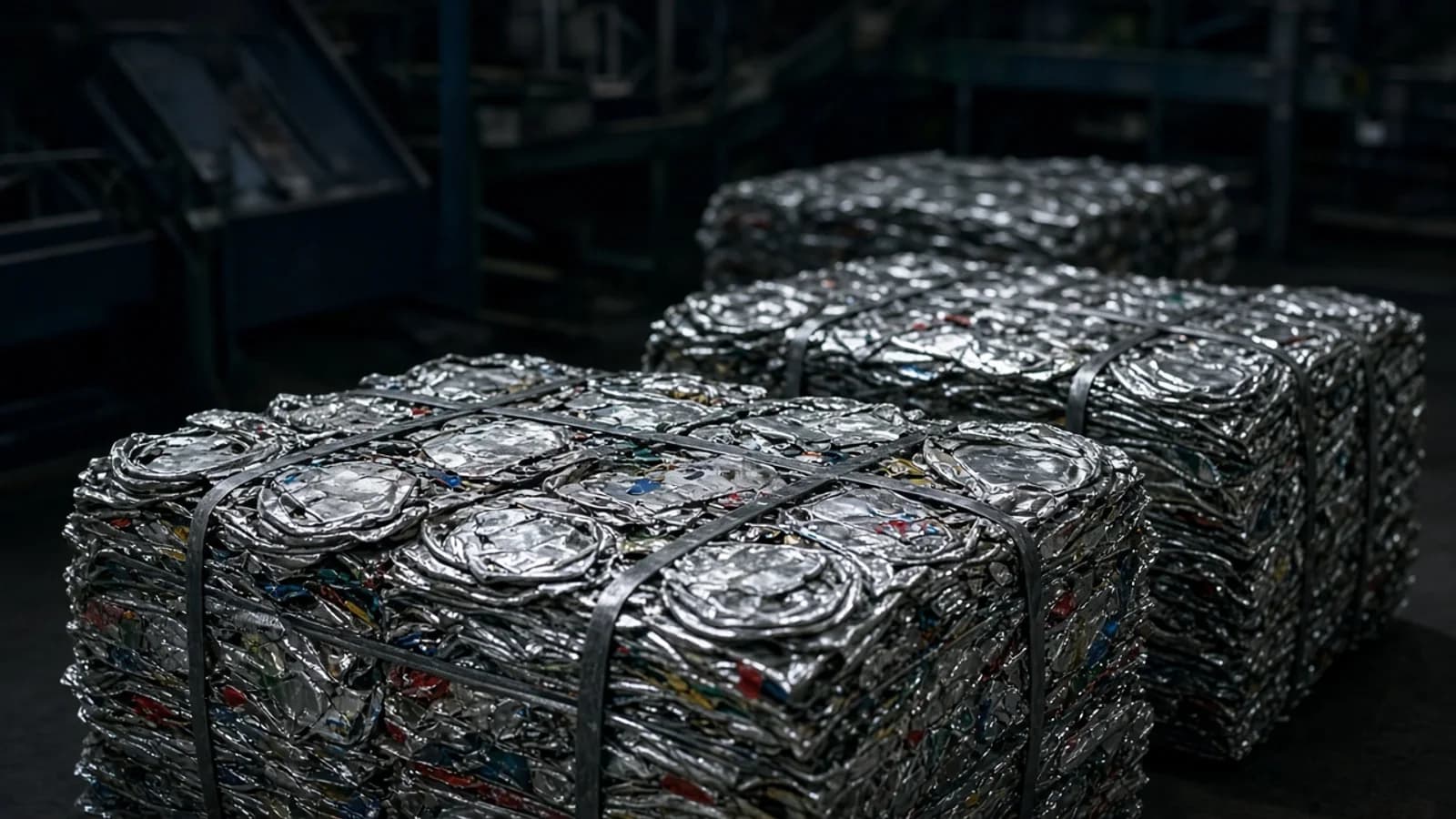
Bale dimensions, wires, density, integrity and break-open inspection access are aligned with the receiving plant.
Collection stream
Collection design shapes the material. Deposit-return cans are generated differently from mixed kerbside packaging, and a production reject is not post-consumer UBC. The supplier should identify the route, sorting sequence and any manual quality control after mechanical separation.
ReMA/ISRI nomenclature offers a familiar reference for used aluminium cans and baled forms. It is not a universal contract or a substitute for local rules. Parties should incorporate the exact definition they intend, together with negotiated tolerances, determination methods and remedies.
Quality focus
Steel cans can resemble aluminium after crushing, while aerosols may introduce pressure or product-residue hazards. Plastic bottles, paper, glass, food containers and fines can sit between cans or inside poorly built bales. Sorting performance should be checked against representative output, not an ideal hand sample.
Remaining beverage, rainwater, dirt and organic residue affect handling and measured weight. Moisture needs an agreed determination procedure; it should never be inferred solely from external appearance.
Physical preparation
Stable bales reduce loose-can loss and improve logistics, but excessive compaction can hide foreign objects. Plants differ in accepted bale dimensions, unit mass, wire type and whether packages must pass through shredding or decoating equipment.
Storage under cover, clean loading surfaces and separation from ferrous scrap reduce changes after preparation. Bale tags, production dates and stack maps help retain lot identity.
Circular route
A beverage can is engineered from several aluminium components and coatings. Returning it to can sheet requires specialised thermal and metallurgical control; the word UBC alone does not prove suitability for a particular rolling route.
The buyer’s specification should address the feed system, decoating route and analytical programme. Environmental claims should rely on recognised life-cycle sources and the actual chain of custody, not an assumed result for every shipment.
Trade execution
Before loading, counterparties align origin, collection window, bale count, weight basis, packaging, inspection and documentation. Break-open checks can assess bale interiors.
Waste-shipment rules vary by jurisdiction. Competent advisers confirm classification and destination requirements. Contract terms govern final acceptance and claims.
Specifications
Indicative review points for Aluminium UBC. The agreed specification belongs in the transaction documents.
Qualification reference only. Values and tolerances must be agreed for the specific lot or supply programme.
How we work
Record deposit, kerbside or commercial origin, sorting equipment, quality checks and storage.
Document can identity, residues, moisture method, bale dimensions, wires and integrity.
Coordinate representative sampling, break-open checks, analysis or independent inspection.
Connect bale tags, weights, loading photographs, seals and acceptance terms to dispatch.
FAQ
Practical questions about preparing a Aluminium UBC file.
No. UBC specifically concerns used aluminium beverage cans. Foil, trays, aerosols and food containers require separate identification unless expressly accepted.
Cans can retain drinks or rainwater, especially after outdoor storage. An agreed method distinguishes actual material mass from variable liquid content.
No. They differ in transport, inspection, loss and charging behaviour. The receiver must approve the physical form.
No. It provides common terminology, while the contract must state the operative definition, measurement, inspection and consequences of deviation.
Related insights
No related insight is currently published for this product.
Reference sources
Commodity workspace
Supporting view for qualification and preparation.
Related commodities
Turco & Co
Company and contact details form part of the intake review.
Commercial files coordinated worldwide across major trade regions.
Specifications, certifications and shipping documents coordinated where applicable.
A reviewed file follows a clear contact route as the discussion progresses.