Turco & Co · UCO
From origin to the port you name
The contract names one Incoterms® 2020 basis and the places it applies to. Equipment, handling and responsibilities are confirmed before booking — not in a lecture on this page.
EXW or FCA
Under EXW, the buyer collects at the seller’s premises. Under FCA, the seller hands over to the carrier at the named place. For a containerised flexitank, FCA often matches the real handover better.
FOB, CIF or DDP
FOB: on board at the loading port, the buyer books the main carriage. CIF: the seller arranges freight and insurance to the destination port. DDP: delivered cleared for import. Places, receiving charges and unloading are named in the contract.
The 20 ft flexitank
A shipment is planned around 21–23 tonnes net. Final quantity depends on density, the flexitank, equipment limits and the carrier. Heating and discharge are prepared for the material and the season.
Before we book
We confirm inspection, sampling, seals, shipping instructions and the document set: invoice, packing, bill of lading, insurance, CoA and sustainability. Transit times and the carrier are confirmed at booking, not on this website.
Content updated ·
References
These references describe the applicable frameworks. They do not represent certification of Turco & Co.
ISCC / Sustainable aviation fuels ISCC EU ISCC certificate register Union Database / European Commission RED III / EUR-Lex FOSFA contracts ICC / UCP 600Keep reading
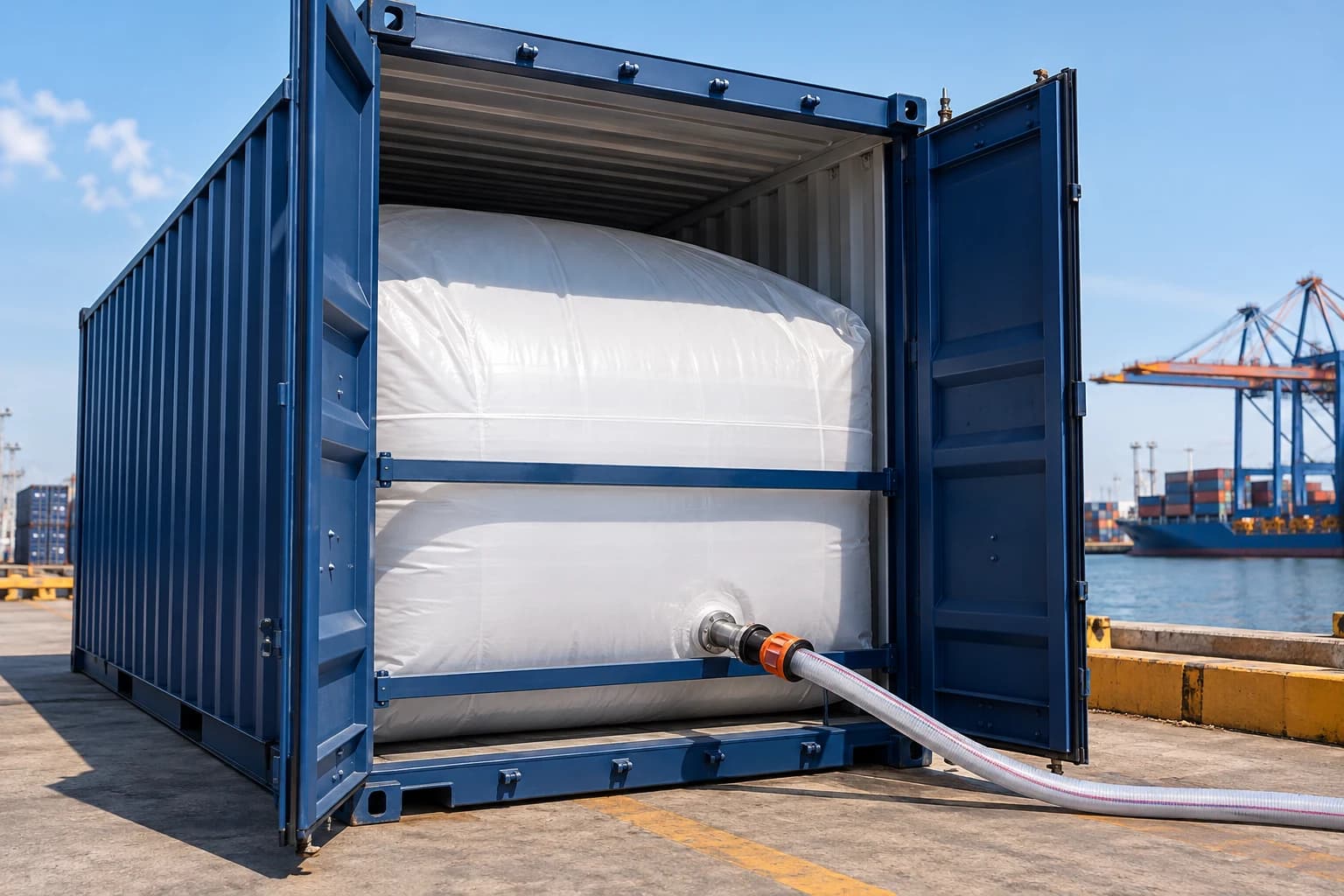
Shipping used cooking oil in a flexitank
Prepare a UCO flexitank shipment with carrier approval, equipment compatibility, payload checks, sampling and receiving arrangements.
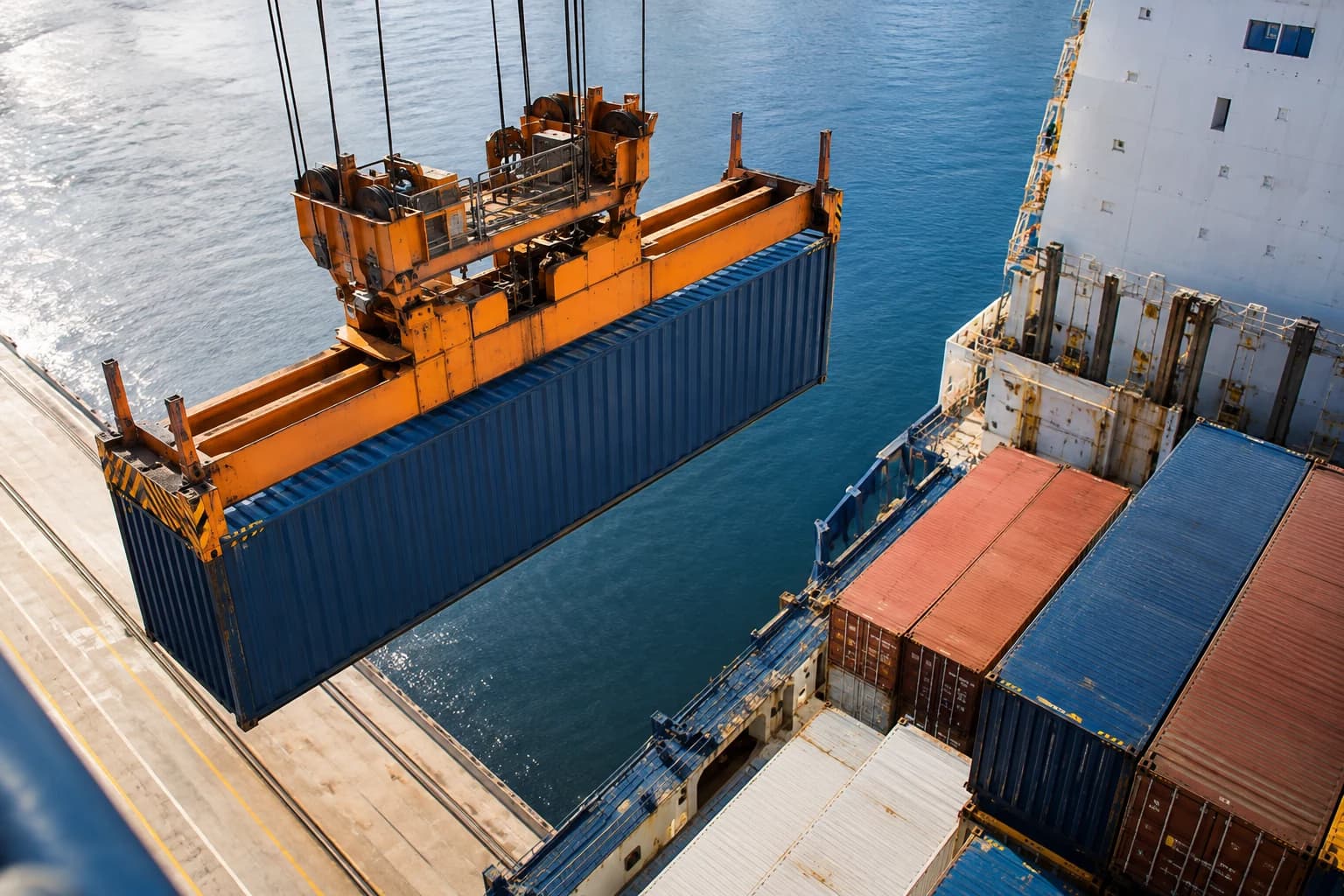
FCA, FOB and CIF for UCO: choosing a delivery basis
Questions to resolve when selecting an Incoterm for bulk or containerised UCO, including named places and comparable costs.
Shipment
Logistics in international UCO trading
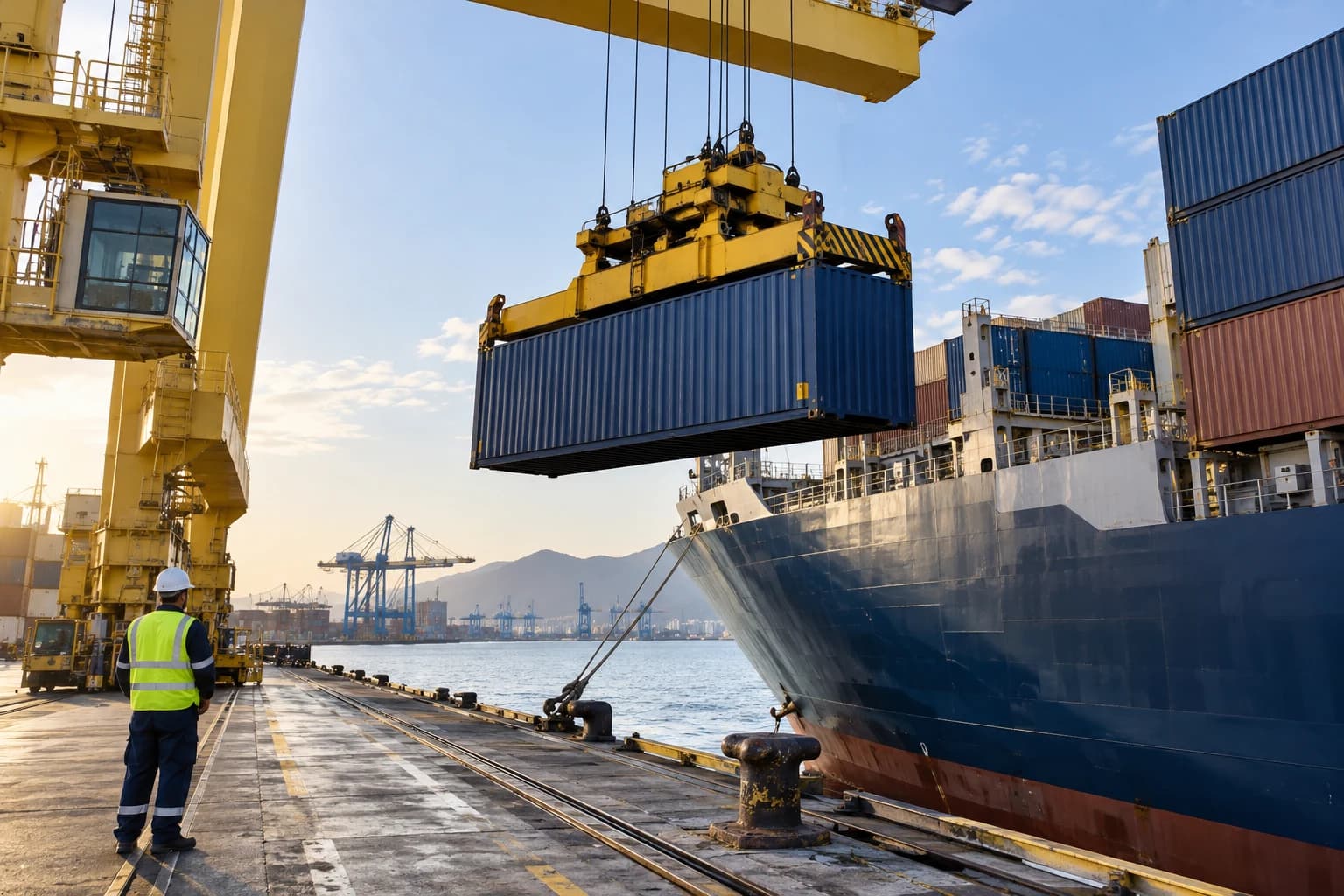
Transporting used cooking oil calls for organisation suited to volumes, product characteristics and destination. The seller’s and buyer’s responsibilities are read in the contract, notably through the Incoterm and the places it names.
A delivery basis, with named places
Incoterms such as EXW, FCA, FOB, CIF or DDP allocate delivery, costs and risk. They have force only when paired with precise places: the seller’s premises, a terminal, the port of shipment, the port of destination. EXW generally places collection at the seller’s site. FCA hands the goods to the carrier at the agreed place, which often fits a flexitank in a container better. FOB puts the goods on board at the loading port. CIF adds freight and insurance to the destination port. DDP aims at delivery cleared for import. Choosing a maritime basis when the oil cannot reach the quay is not a tactic. It is an unworkable basis. Turco & Co studies the basis against the real location of the goods and the buyer’s destination.
Flexitanks and transport equipment
Depending on the transaction, UCO may travel in a container fitted with a flexitank or in other equipment compatible with carriage. A flexitank in a twenty-foot container is often planned around 21 to 23 net tonnes. The final quantity depends on density, equipment, carrier limits and the season. Heating and discharge are prepared according to the material. The choice of equipment depends on quantities, available infrastructure, regulatory constraints and the commercial terms agreed. It is not deduced from a public page.
Inspection, seals and shipping documents
Before booking, the parties usually agree inspection, sampling, seals and the document set: invoice, packing list, bill of lading, insurance where applicable, certificate of analysis and sustainability papers if required. These documents must match the lot, the counterparties and the quality accepted. A bill of lading that does not line up with the certificate of analysis is a problem before the cargo even arrives. Transit times and the carrier’s name are confirmed at booking, not on a website.
Payment and logistics, in that order
A shipment is prepared when the commercial file is firm enough to execute: counterparties, lot, specification, traceability where relevant, then the payment instrument. Turco & Co coordinates logistics with the providers concerned, within the contractual terms. We do not operate tanks. The oil leaves the supplier’s facilities for the agreed destination. To study a shipment, state the place of taking in charge, the destination, the volume and the delivery basis contemplated. You may write to us with these elements. Our activity centres on international UCO trade.