Old-sheet identity
Source and sorting records distinguish wrought sheet articles from cast pieces, extrusions, cable, foil, laminated products and aluminium-plastic composite panels.
We connect sheet sorters and processors with smelters. Enquiries separate extrusions, castings, foil, wire and composite panels and record attachments.
Desk answer
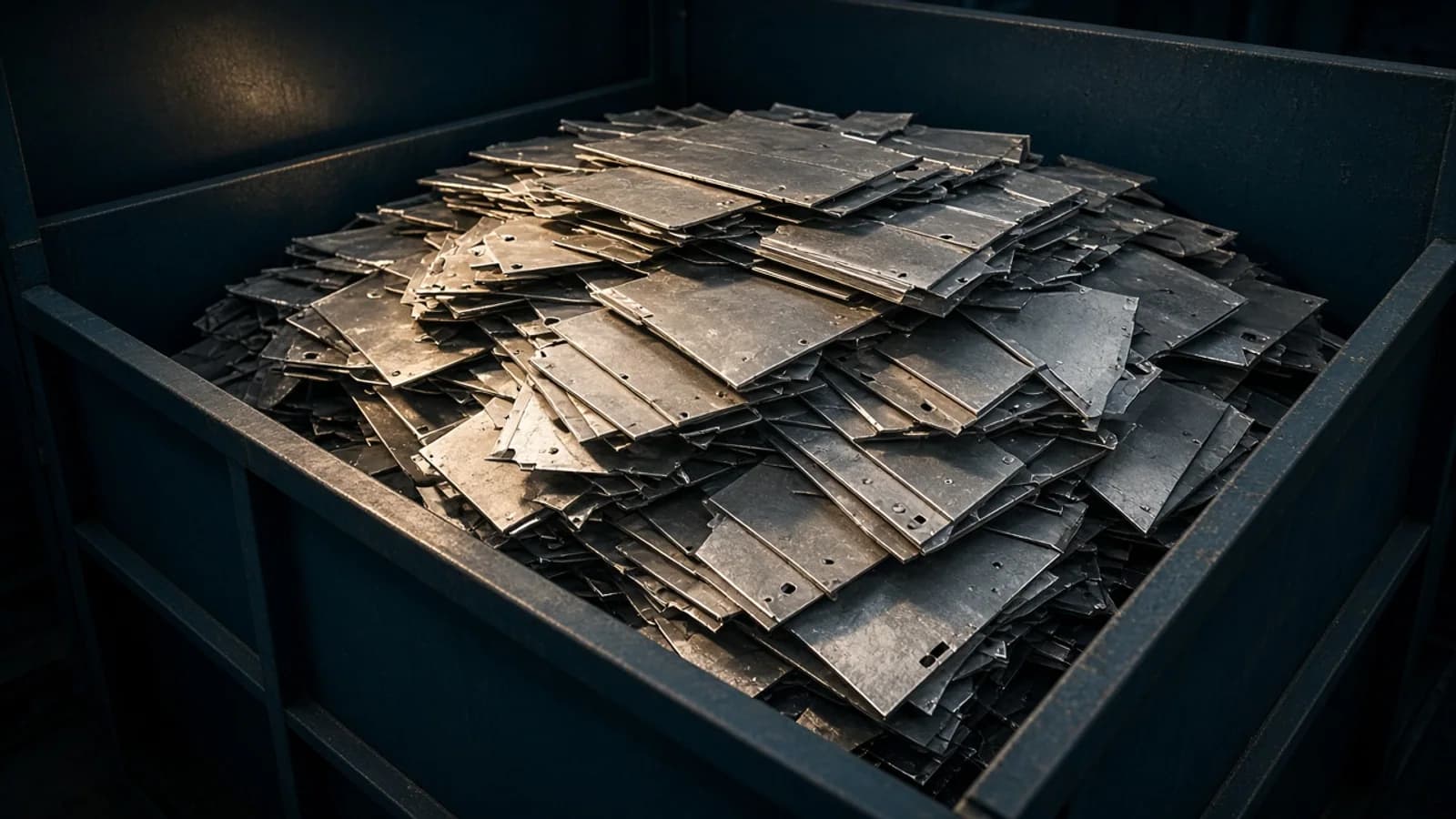
Taint/Tabor is industry nomenclature commonly associated with mixed old aluminium sheet prepared to stated cleanliness conditions. It may include used wrought sheet and compatible articles, but it should not be treated as a chemistry-certified alloy. Actual scope, excluded items, attachments, coatings, piece form and inspection basis must be agreed for each transaction.
Applications
Typical users, supply profiles and points to clarify before a discussion.
Prepared old sheet can feed secondary aluminium melting routes able to manage mixed wrought chemistry and surface condition. The receiving plant determines whether loose, cut or baled material suits its pre-treatment, furnace, salt practice and final alloy programme.
Source and sorting records distinguish wrought sheet articles from cast pieces, extrusions, cable, foil, laminated products and aluminium-plastic composite panels.
Ferrous fasteners, insulation, sealants, plastics, wood, glass and other non-metal components are disclosed by origin and preparation stage.
Loose, sheared and baled formats are assessed differently because compaction changes inspection access and can conceal nested material.
Grade scope
Old sheet is a broad physical family, not a single alloy. Building sheet, cookware-like wrought articles, signs and general sheet products can arrive from different service histories. The supplier should state the generating sectors and sorting logic rather than rely on appearance alone.
ReMA/ISRI nomenclature gives market participants a recognised reference for Taint/Tabor. Its published wording must be checked in the relevant edition and then incorporated or adapted in the contract. It does not impose identical tolerances, inspection or claim outcomes in every country or deal.
Sorting discipline
Extrusions and castings carry different alloy patterns from mixed wrought sheet. Foil, cable, radiators, turnings and heavily laminated products also behave differently during preparation and melting. Aluminium composite cladding can appear metallic while containing a substantial polymer core.
The sort line should have clear rejection categories and escalation for uncertain items. Representative photographs should show edges and broken sections, where lawful and safe, so layered products and attachments are visible.
Surface and attachments
Old roofing, panels and household articles may carry paint, bitumen, adhesives, insulation, corrosion products, oils or dirt. Ferrous screws and rivets can remain after dismantling. These conditions influence furnace preparation and should be recorded without converting them into an assumed metal yield.
Outdoor storage can add rainwater and trapped debris, especially in nested or baled sheet. Storage surface, drainage and weather exposure therefore form part of the lot history and weight discussion.
Physical preparation
Shearing improves handling and exposes composite layers. Baling aids logistics but can hide steel, plastic or dense objects. Parties agree size, ties, integrity, prohibited inserts and any break-open inspection.
Radiation monitoring, load cleanliness and protrusion control may apply. These checks complement the material description.
Contract controls
An offer states source region, period, preparation site, quantity basis, packaging, inspection and photographs. Turco & Co compares this evidence with the buyer’s written intake rules.
Quality, weight basis, risk transfer and claims are contractual. Qualified advisers confirm cross-border waste status for the origin, preparation and destination.
Specifications
Indicative review points for Taint/Tabor Aluminium Scrap. The agreed specification belongs in the transaction documents.
Qualification reference only. Values and tolerances must be agreed for the specific lot or supply programme.
How we work
Record generating sectors, wrought product forms, sorting method and explicit exclusions.
Check attachments, layered panels, surface residues, moisture exposure, cutting and baling.
Match format, inspection access, sampling and documentation with the receiver’s written rules.
Link photographs, weights, bale marks, loading records and contractual determination to dispatch.
FAQ
Practical questions about preparing a Taint/Tabor Aluminium Scrap file.
No. It is a recycled-material trade description for prepared old aluminium sheet, not a certified chemical grade. The actual mixture must suit the buyer’s process.
They are generally treated as different scrap families. Any permitted inclusion must be expressly described and accepted in the transaction specification.
They can resemble solid sheet while containing polymer or mineral-filled cores and adhesives, which materially change preparation and thermal behaviour.
No. It supplies a common reference, while the parties still agree representation, sampling, acceptance and remedies.
Related insights
No related insight is currently published for this product.
Reference sources
Commodity workspace
Supporting view for qualification and preparation.
Related commodities
Turco & Co
Company and contact details form part of the intake review.
Commercial files coordinated worldwide across major trade regions.
Specifications, certifications and shipping documents coordinated where applicable.
A reviewed file follows a clear contact route as the discussion progresses.