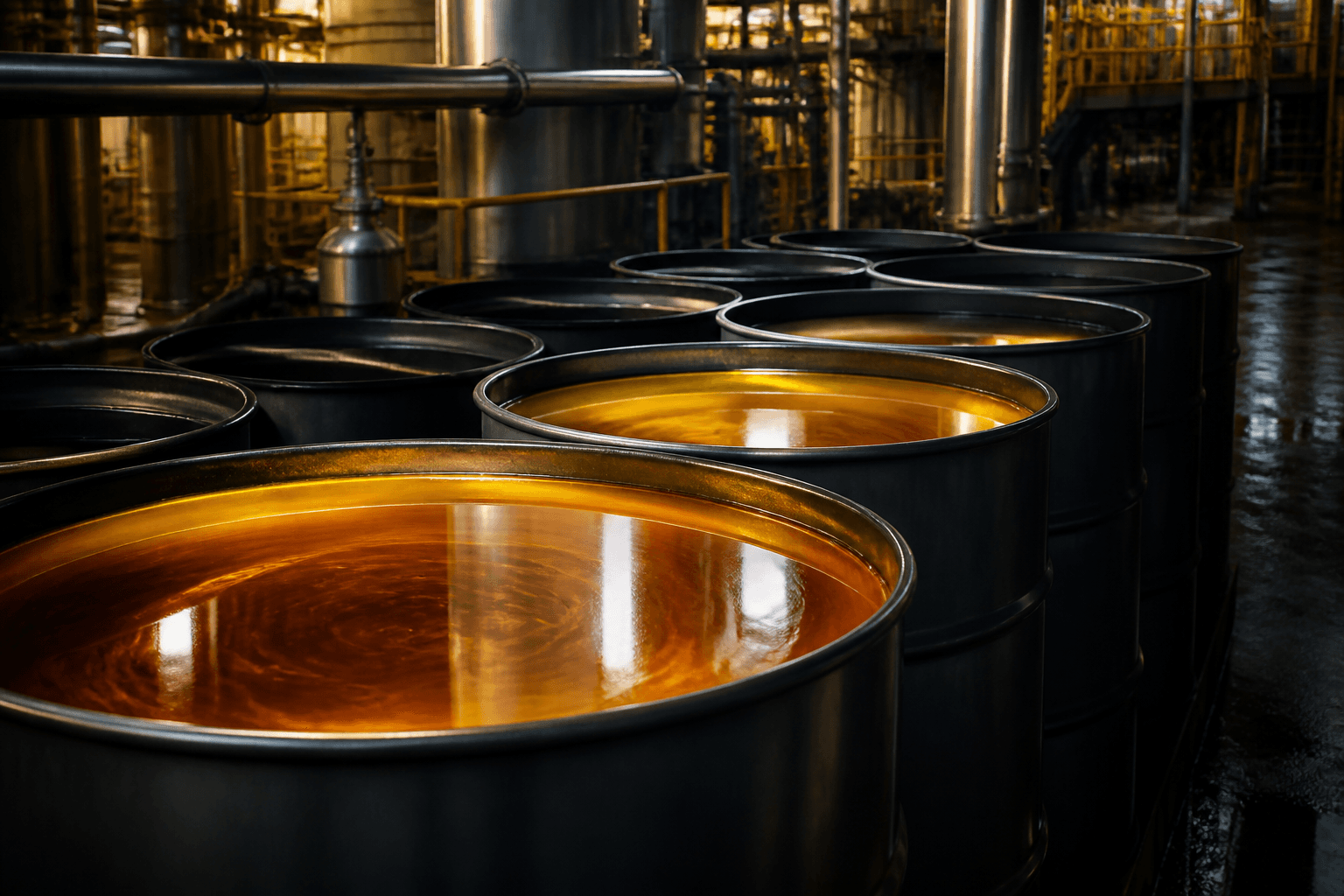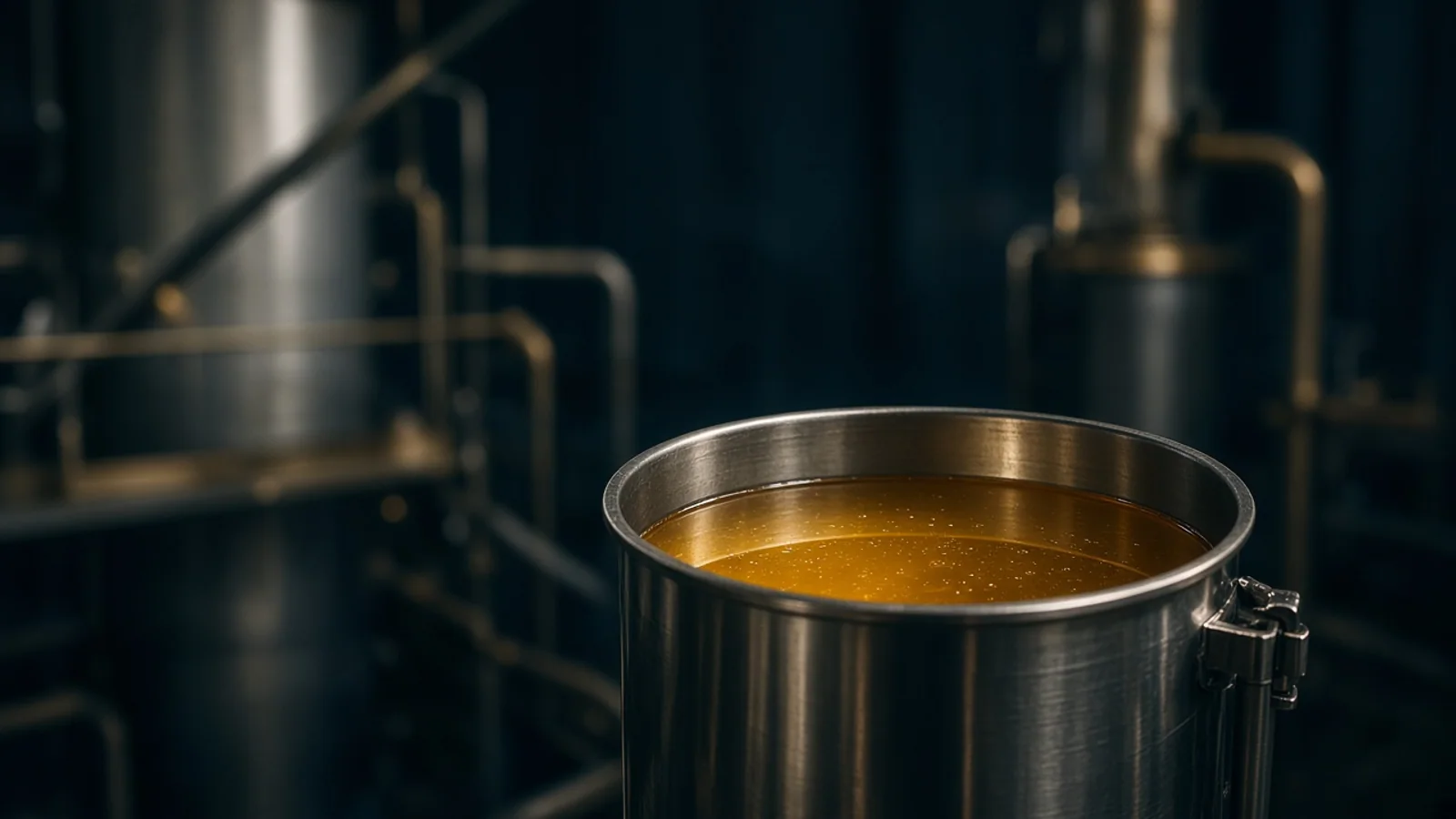
Species and category statement
The lot file identifies declared animal sources and the regulatory category rather than treating all rendered fats as interchangeable.
Tallow can differ by species mix, tissue source, rendering conditions and storage. We organise those facts so sellers and industrial users can assess a defined consignment rather than rely on a broad grade name.
Desk answer
Tallow is rendered animal fat. Its lawful and technical use depends on origin category, processing history, analytical condition and destination-specific controls.
Applications
Typical users, supply profiles and points to clarify before a discussion.
Depending on regulation and buyer specification, tallow may enter soap and oleochemical manufacture, energy conversion, lubricant formulations or other industrial processes. Feed-related or fuel-related use requires a separate review of the applicable rules.
The lot file identifies declared animal sources and the regulatory category rather than treating all rendered fats as interchangeable.
Time, temperature, separation and post-process handling are recorded where relevant, with no inference beyond the available plant evidence.
Storage duration, air exposure, temperature and tank condition are considered because deterioration can continue after rendering.

Identity
The word tallow can cover fats from different animals, tissues and rendering systems. A useful description starts with source species, collection context and the legal category assigned by the operator.
These facts affect permitted routes and customer controls. They should be supported by establishment records, not inferred from colour, smell or a single chemical result.
Processing
Rendering separates fat from animal material through controlled processing. The relevant record may include input approval, process parameters, separation steps and release of the resulting batch.
Rendering is not a universal guarantee of suitability. Required treatment and documentary controls vary with category, jurisdiction and destination.
Condition
Water, impurities and oxidative change can affect storage and conversion. Oxidation is the reaction of fat with oxygen; it may be followed through agreed indicators, but each result needs a method and sampling date.
Heating keeps some tallows pumpable, yet excessive or uneven heat can accelerate degradation. Tank temperature history provides useful context for the receiving plant.
Logistics
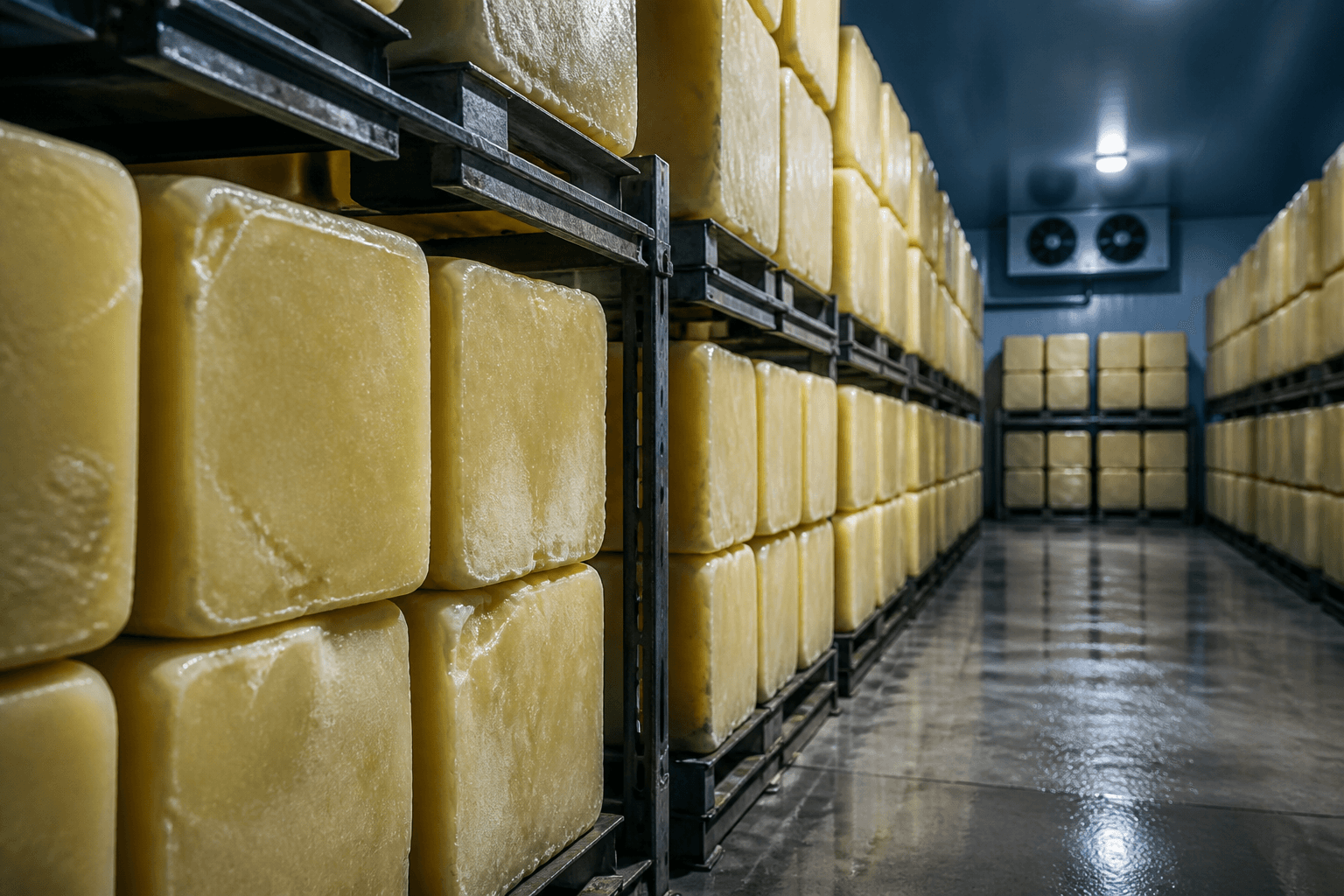
Tallow may thicken or solidify as it cools. Loading plans should cover tank cleanliness, compatible previous cargoes, insulation, controlled heating and the ability to empty lines safely.
A top sample may not represent a stratified tank. Parties can agree circulation, composite sampling and sealed retained samples before movement.
Compliance
Animal by-product rules can govern collection, transport, processing, labelling and end use. A route acceptable for one industrial purpose may not be acceptable for another.
Before contracting, compare establishment approvals, category documents and transport controls with the receiver's jurisdiction and permit. Specialist and official review may be necessary.
仕様
Indicative review points for Tallow. The agreed specification belongs in the transaction documents.
Qualification reference only. Values and tolerances must be agreed for the specific lot or supply programme.
How we work
Record species declarations, tissue sources, regulatory category and the controls used to prevent unsuitable inputs.
Associate production date, process record, separation and assigned storage tank with the consignment.
Take a representative sample and report agreed physical and chemical indicators using named methods.
Confirm clean equipment, temperature controls, line clearance, transport documents and receiver capability.
FAQ
Practical questions about preparing a Tallow file.
No. Species, tissues, rendering, blending and storage all influence composition and handling. The contract needs a parcel-specific description.
Categories can determine permitted handling and destinations. The relevant competent authority rules and transaction documents must be checked.
Buyers may request moisture, insoluble matter, free fatty acids, fatty-acid profile or oxidation indicators. The suitable panel depends on their process.
No. Visual inspection can reveal condition issues but cannot replace origin, processing and category records.
Agreed heating limits, insulation, clean lines, realistic transfer timing and a plan for sampling help manage a cargo that may solidify.
Related insights
No related insight is currently published for this product.
Reference sources
Commodity workspace
Supporting view for qualification and preparation.
Related commodities
Turco & Co
Company and contact details form part of the intake review.
Commercial files coordinated worldwide across major trade regions.
Specifications, certifications and shipping documents coordinated where applicable.
A reviewed file follows a clear contact route as the discussion progresses.