
Collection trail visibility
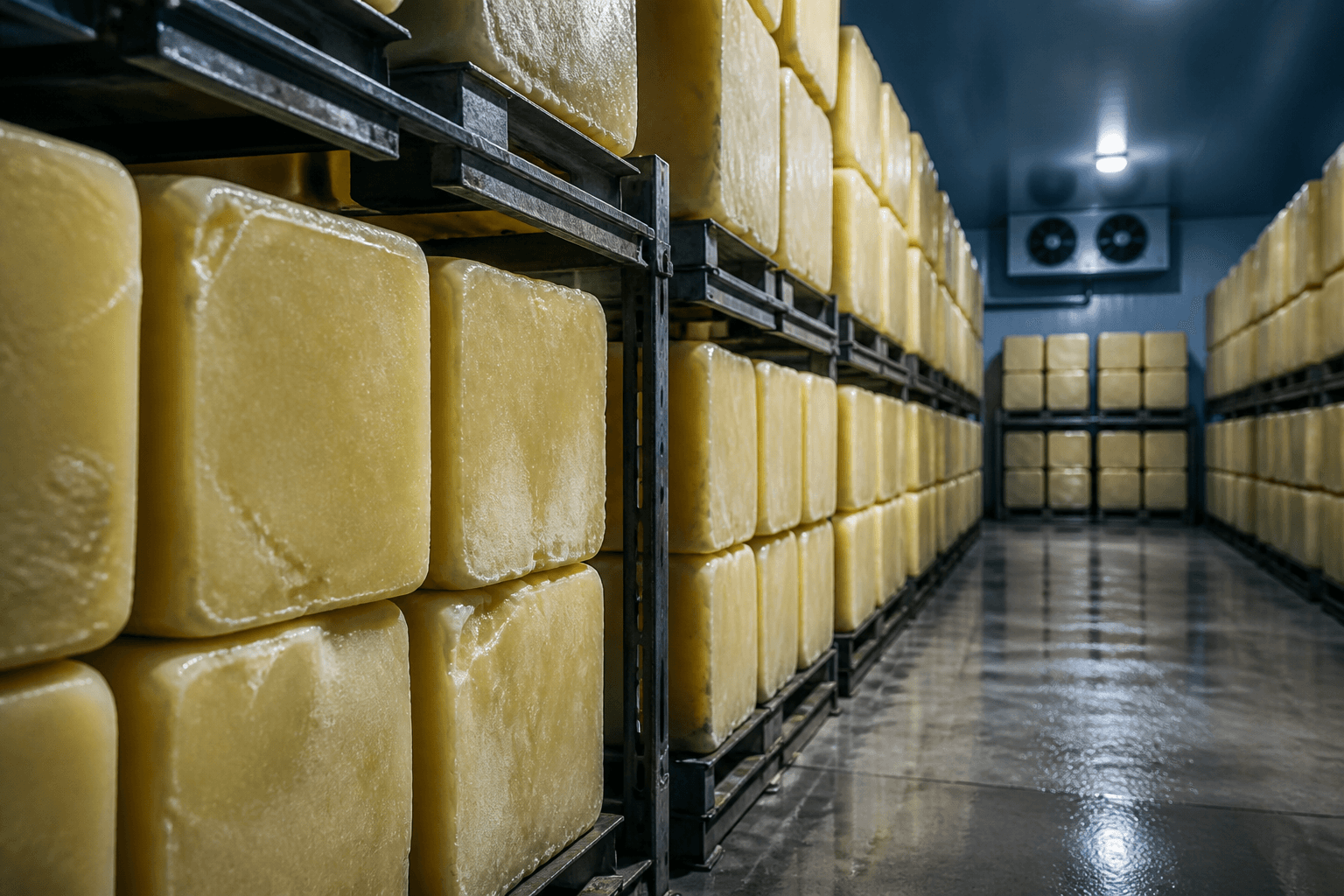
Records can connect collection points, aggregator tanks, dates and transferred volumes without assuming that every origin has the same risk profile.
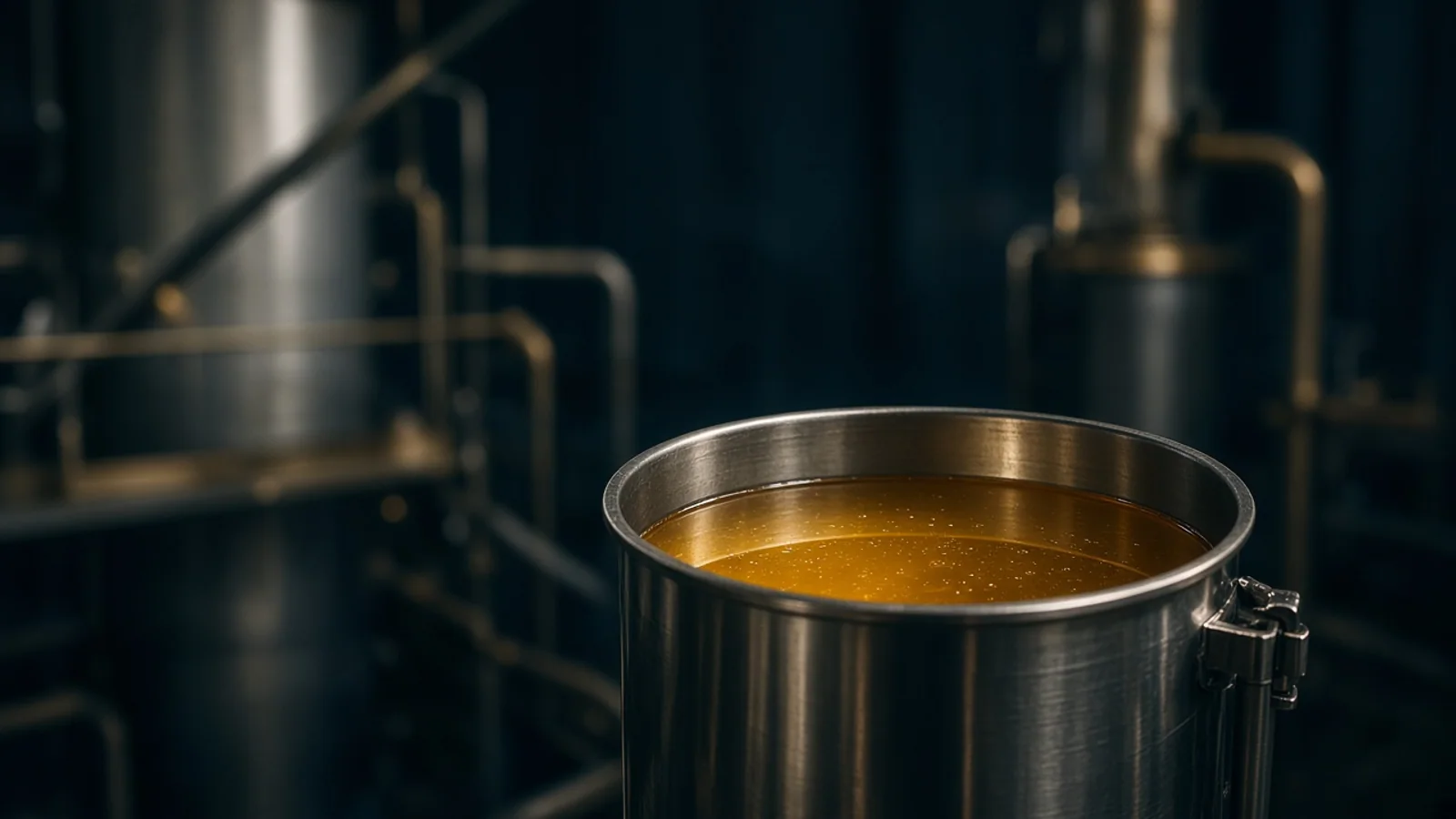
Used cooking oil is a variable recovered material, not a uniform recipe. We help counterparties describe what was collected, how it was handled and which tests support a particular parcel.
Desk answer
UCO is oil recovered after food preparation. Its suitability depends on documented origin, composition, contamination controls and the receiving process.
Applications
Typical users, supply profiles and points to clarify before a discussion.
Common outlets include pretreatment for biodiesel or renewable fuel production and, where law and specifications permit, selected oleochemical uses. The intended outlet must be agreed before collection and loading.
Records can connect collection points, aggregator tanks, dates and transferred volumes without assuming that every origin has the same risk profile.
Representative testing may cover water and insolubles, free fatty acids, fatty-acid profile and other parameters requested by the receiver.
Handling plans distinguish food-service oil from mineral oil, chemicals, trap grease and other materials that may compromise an outlet.

Origin
UCO may pass through restaurants, collection depots and intermediate tanks before shipment. A useful origin map records those steps and shows where loads are combined.
This chain does not prove quality by itself. It helps reviewers locate changes, investigate anomalies and judge whether the declared material category fits the destination rules.
Condition
Heating, food residues and storage can alter water content, acidity and the fatty-acid mix. Samples therefore need a defined point, date and method, with the laboratory report tied to the parcel.
FFA means free fatty acids: compounds formed as fats break down. The result matters to pretreatment, but no single figure suits every plant or contract.
Handling
Sealed tanks, intake checks and cleaning records reduce accidental mixing. Previous cargoes and transfer hoses deserve attention because small residues can affect downstream processing.
Trap grease and sewage-derived fats are not interchangeable with used fryer oil. Definitions and legal treatment vary, so the agreed description must match both evidence and jurisdiction.
Logistics
UCO can separate into liquid, solids and water during storage. Homogenisation, settling time and sampling sequence should be agreed before the truck, flexitank or vessel is loaded.
Cold conditions can increase viscosity or create crystals. Heating, when needed, should be controlled to avoid damage and documented as part of the custody record.
Use claims
Waste classification, renewable-fuel accounting and chain-of-custody treatment depend on applicable schemes and law. A commercial description alone does not establish eligibility.
Reviewers should check declarations, mass-balance records and audit scope against the receiving market. Independent certification may be requested, but its validity and coverage must be confirmed for the specific transaction.
仕様
Indicative review points for Used Cooking Oil (UCO). The agreed specification belongs in the transaction documents.
Qualification reference only. Values and tolerances must be agreed for the specific lot or supply programme.
How we work
List accepted food-service sources, excluded liquids, collection area and the records retained at pickup.
Connect incoming collections to storage tanks, transfers, filtration and any blending before the offered parcel is formed.
Use an agreed sampling method and report parcel-specific results with laboratory, date, units and test methods.
Compare seals, transport documents, delivered quantity and receiver observations, then retain the final evidence set.
FAQ
Practical questions about preparing a Used Cooking Oil (UCO) file.
No universal answer applies. Classification depends on origin, handling, applicable law and the programme or market in which the material will be used.
Cooking practices, source oils, food residues, water, storage time and aggregation all change the material. A recent representative sample is more useful than a generic grade name.
Depending on the route: collection declarations, supplier lists, weigh records, tank movements, laboratory reports, transport documents and relevant chain-of-custody evidence.
No. Testing describes physical or chemical properties. Eligibility also requires origin and chain-of-custody evidence assessed under the relevant rules.
Agree specifications, methods, sampling point, sealed retention samples and an independent-laboratory procedure before loading.
Related insights
No related insight is currently published for this product.
Reference sources
Commodity workspace
Supporting view for qualification and preparation.
Related commodities
Turco & Co
Company and contact details form part of the intake review.
Commercial files coordinated worldwide across major trade regions.
Specifications, certifications and shipping documents coordinated where applicable.
A reviewed file follows a clear contact route as the discussion progresses.