
Commercial definition
Identity lens: Copper scrap is a broad commercial family, not a single grade.
A sourcing brief for mixed copper scrap streams. Copper scrap is a broad commercial family, not a single grade. It may include clean production offcuts, busbar, tube, sheet, windings or dismantled copper-bearing pieces, provided the parties describe what is actually present.
Desk answer
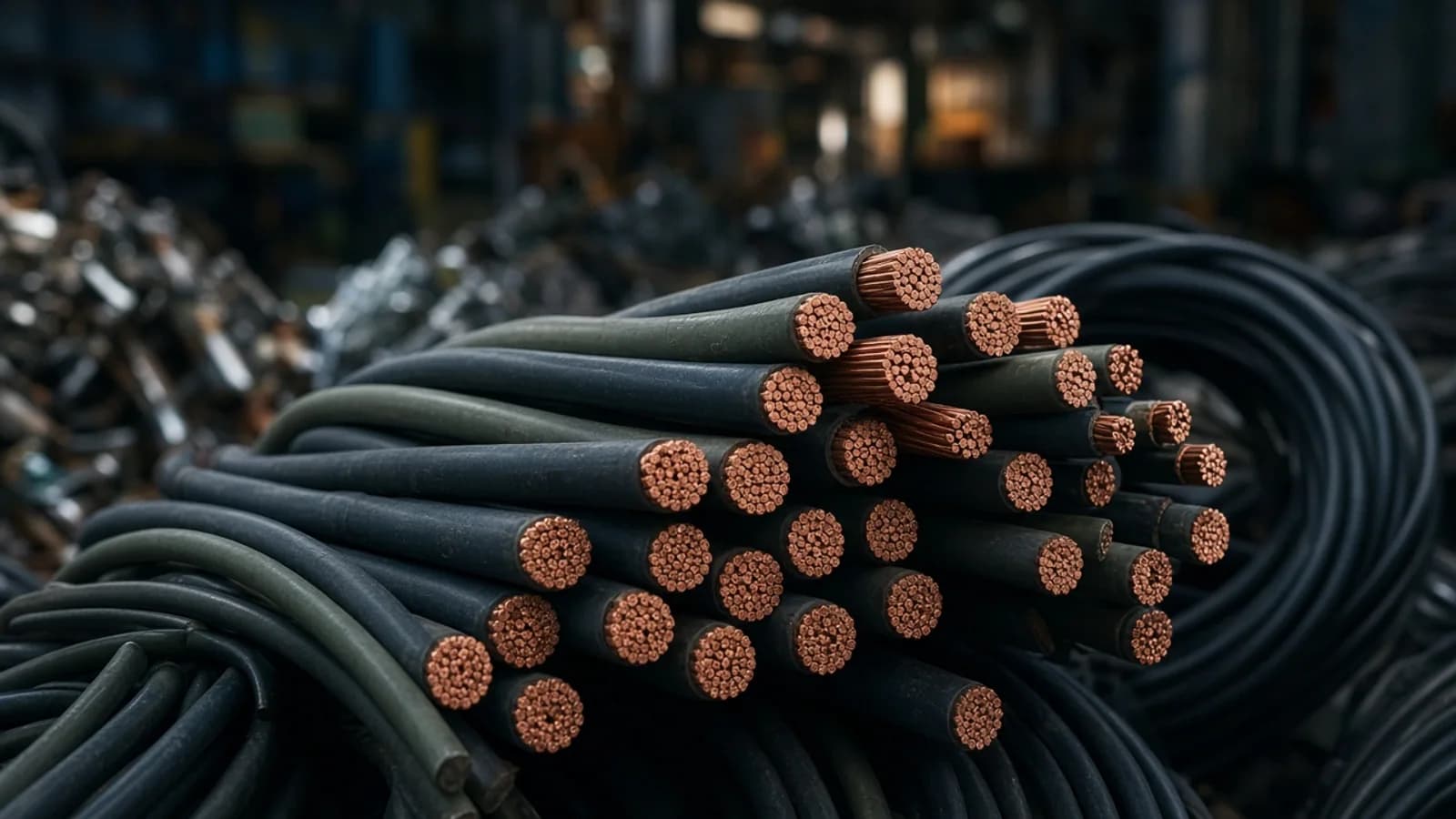
Unlike cable scrap, this category is not defined by an insulated conductor construction; cable-dominant lots should be described separately.
Applications
Typical users, supply profiles and points to clarify before a discussion.
Downstream route: Prepared copper scrap can feed secondary smelters, refiners, ingot makers and selected direct-melt operations.
Identity lens: Copper scrap is a broad commercial family, not a single grade.
Grade lens: Names such as Berry, Candy, Clove or Birch may appear in recognised trade nomenclatures, but a name alone does not settle the contract.
Inspection lens: Assessment should address visible metals, solder, coatings, oils, insulation, moisture, fines, sealed units and other non-copper material.

Copper stream origins
Copper scrap can arise as traceable production offcuts from stamping, tube, sheet or busbar work, or as dismantled material recovered from equipment, buildings and industrial maintenance.
The physical form matters at first description: loose clippings, cut pipe, heavy sections, windings and mixed dismantled pieces present different surfaces, attachments and handling constraints.
Copper grade vocabulary
Terms such as Berry, Candy, Clove or Birch may refer to recognised scrap descriptions, yet their meaning depends on the cited specification, local practice and agreed preparation.
A grade label is not a chemical result: the parties should confirm the basis used to determine copper content and record how solder, alloys, coatings and other metals are treated.
Copper scrap preparation
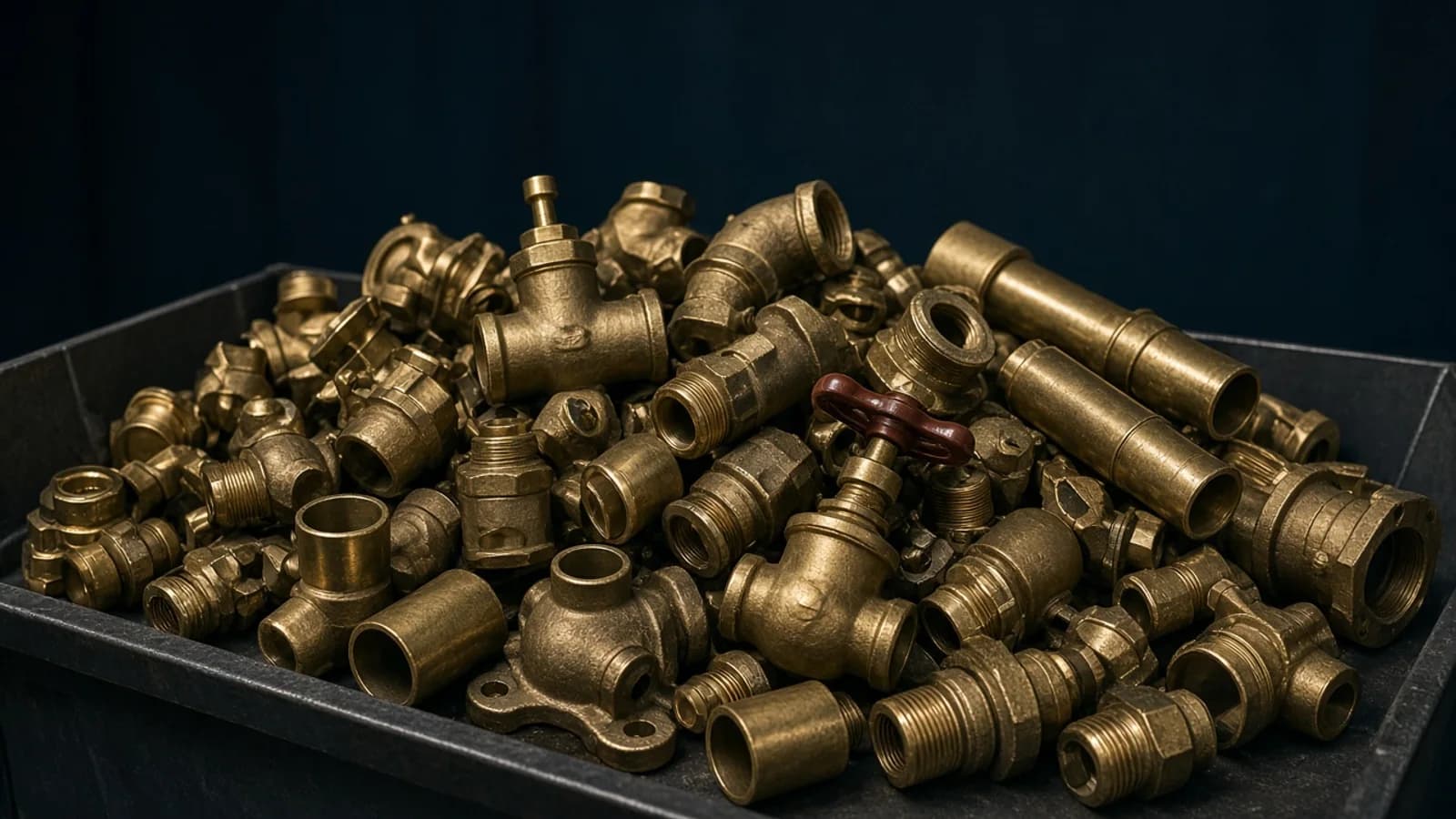
Preparation may include sorting by form, cutting oversized pieces and removing accessible steel, brass fittings, insulation or other attachments that would obscure the copper fraction.
The lot description should identify residual solder, paint, plating, oil, moisture, fines and sealed components, because each can affect safe handling and the receiving plant’s process.
Lot evidence and sampling
Inspection should cover more than the visible top layer, with observations distributed across packages, depths or loading periods to reveal changes in form and non-copper material.
A sampling plan should match particle size and heterogeneity, document where increments were taken and preserve representative evidence when copper content is being confirmed.
Copper plant routing
Secondary smelters, refiners, ingot makers and selected direct-melt plants use different feed windows, so dimensions, chemistry and preparation must be checked with the intended receiver.
The shipment file should align photographs, packing form, weight basis, origin records, transport details and applicable waste documentation with the copper scrap actually loaded.
Specifications
Indicative review points for Copper Scrap. The agreed specification belongs in the transaction documents.
Qualification reference only. Values and tolerances must be agreed for the specific lot or supply programme.
How we work
First establish: Copper scrap is a broad commercial family, not a single grade.
Then verify: Assessment should address visible metals, solder, coatings, oils, insulation, moisture, fines, sealed units and other non-copper material.
Route against: Prepared copper scrap can feed secondary smelters, refiners, ingot makers and selected direct-melt operations.
Before dispatch: Loose sheet, compacted pieces and heavy sections behave differently in loading and inspection.
FAQ
Practical questions about preparing a Copper Scrap file.
Contract answer: Names such as Berry, Candy, Clove or Birch may appear in recognised trade nomenclatures, but a name alone does not settle the contract.
Inspection answer: Assessment should address visible metals, solder, coatings, oils, insulation, moisture, fines, sealed units and other non-copper material.
Important limit: No.
Document answer: Loose sheet, compacted pieces and heavy sections behave differently in loading and inspection.
Related insights
No related insight is currently published for this product.
Reference sources
Commodity workspace
Supporting view for qualification and preparation.
Related commodities
Turco & Co
Company and contact details form part of the intake review.
Commercial files coordinated worldwide across major trade regions.
Specifications, certifications and shipping documents coordinated where applicable.
A reviewed file follows a clear contact route as the discussion progresses.