
Buying and selling
How to export used cooking oil: permits, quality, documents and buyers
A practical sequence for exporting UCO: local waste permits, filtration and testing, sustainability evidence, flexitank or bulk logistics, export documents and payment.

Direct answer
To export used cooking oil, confirm that local law allows the export and obtain the waste or export permits it requires, filter the oil and test each lot, prepare sustainability evidence if the buyer needs it, book flexitank containers or a tanker parcel, issue the export documents and agree payment terms before loading. EU buyers will also require an approved or registered origin establishment from 19 November 2027.
Check the rules at origin before selling
Start with your own law, not the buyer’s spec sheet. Many countries classify used cooking oil as waste, which triggers collection licences, transport rules, and often a separate export consent. Kenya requires a NEMA export permit for each consignment, South Africa requires prior consent from its competent authority, Egypt licenses collection, storage and export, and Indonesia requires export allocations and permits. None of those can be back-filled once cargo is at the port.
Map the authority, the exact permit name, whether it is per shipment or annual, and realistic lead times. Ask the same questions of your warehouse and haulier—waste transport licences are a common gap. Only then align destination rules: from 19 November 2027, UCO entering the EU must originate from an approved or registered establishment in the exporting country under Regulation 2025/2181.
If export is restricted or capped, fix volume and timing in the contract honestly. Buyers plan feedstock months ahead; a seller who discovers an allocation limit after signing creates a default, not a force majeure story.
- Export allowed and permit identified at origin
- Waste transport and storage licences where required
- Destination rules, including EU Regulation 2025/2181
- Sustainability scheme required by the buyer (ISCC EU, ISCC CORSIA or none)
Match the buyer’s quality spec to the tank you load
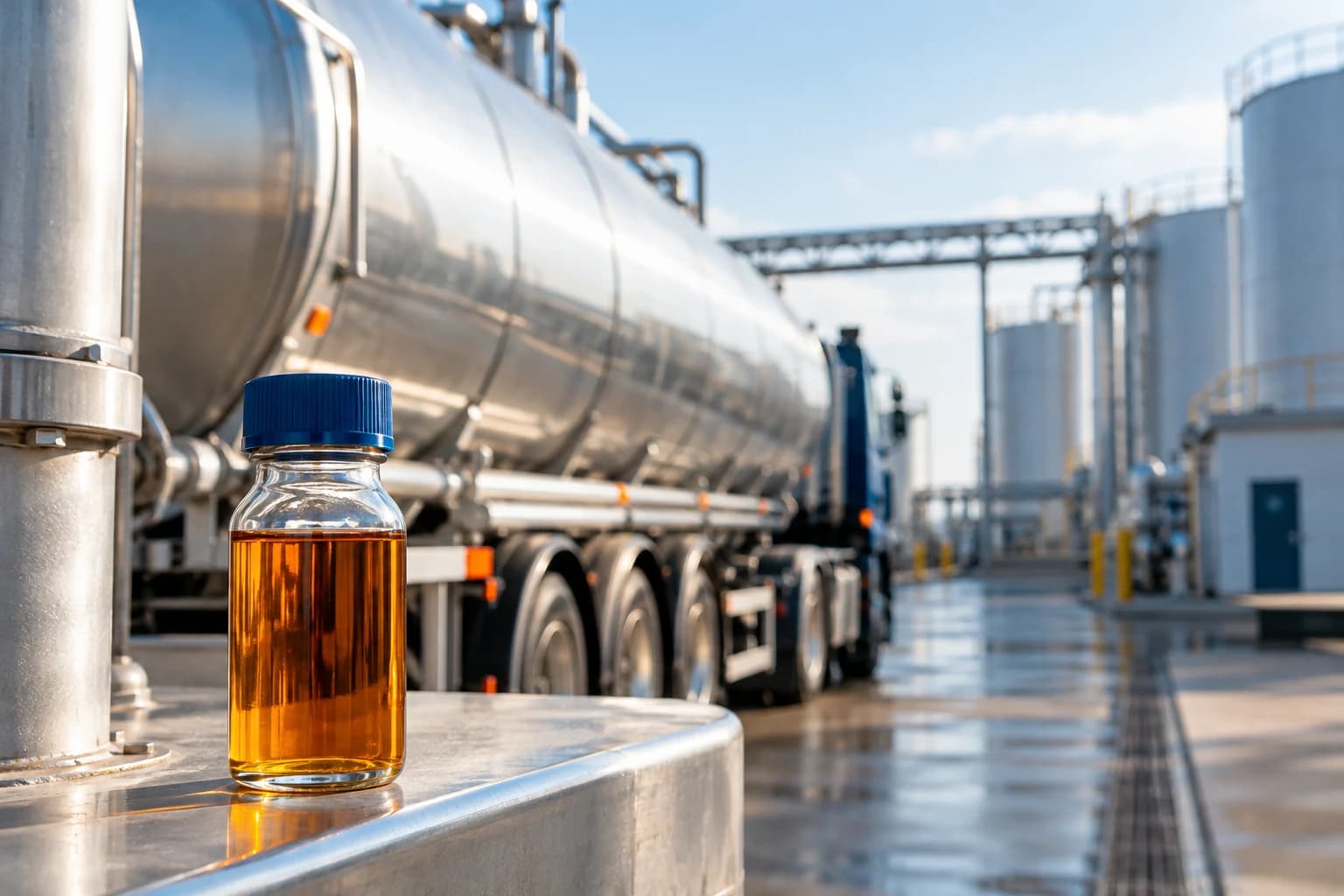
Filter and settle the oil to pull water and solids down, then sample from the export tank—the same tank the flexitank or tanker will draw from. The certificate of analysis must identify that lot and report free fatty acids, moisture, impurities and volatiles, plus any extra parameters in the contract: sulphur, iodine value, phosphorus, or metals for HVO routes.
Agree sampling method and who draws the sample before loading. If the buyer appoints inspection, the inspected tank and seal numbers should match the bill of lading description. Retain dunnage and filter records; they support both quality claims and, for EU-bound cargo, the filtration story under the 10% moisture and solids import rule.
Reject the temptation to blend off-spec drums into a “export mix” without disclosure. Refineries notice, inspectors notice, and certification bodies notice.
Sustainability evidence when the buyer asks for it
Not every destination requires ISCC, but EU biofuel buyers usually do. Under ISCC EU, the collecting point—the first company gathering UCO from restaurants and similar sources—typically holds certification, while non-certified restaurants sign self-declarations confirming the oil was used for cooking, is waste, and is documented.
Keep delivery notes by point of origin, mass-balance records, and sustainability declarations ready for each lot. For Union Database obligations on EU-bound material, the importer or their software partner often drives timing; exporters still need correct quantities, dates, and site IDs on their side of the chain.
Check certificate scope and validity in the scheme’s public register—certificate number, site name, and dates—not a PDF forwarded in chat. A trader’s name on an email is not chain of custody.
- Collecting point certificate scope covers the loading site
- Signed self-declarations on file for non-certified points of origin
- Lot-linked sustainability declaration where the contract requires it
- Mass-balance or transfer documents that tie volume to origins
EU establishment listing for shipments after November 2027
If your buyer is in the EU, plan for Regulation 2025/2181 alongside permits and ISCC. The aggregation or export site that seals the container must be approved or registered with your competent authority for that purpose, and the reference must appear in the commercial and veterinary paperwork the importer files.
Work with your authority early: updated waste permits, traceability procedures, and filtration capacity are common prerequisites. Importers will ask for the establishment letter, filtration evidence for the lot, and the model importer declaration in an accepted language—build those into your export checklist before 2027, not the week of loading.
Traders exporting from third-party tank farms need written confirmation that the farm holds the listing; loading without it blocks the EU border path even if your company holds the export permit.
Book freight: flexitank, container or chemical parcel
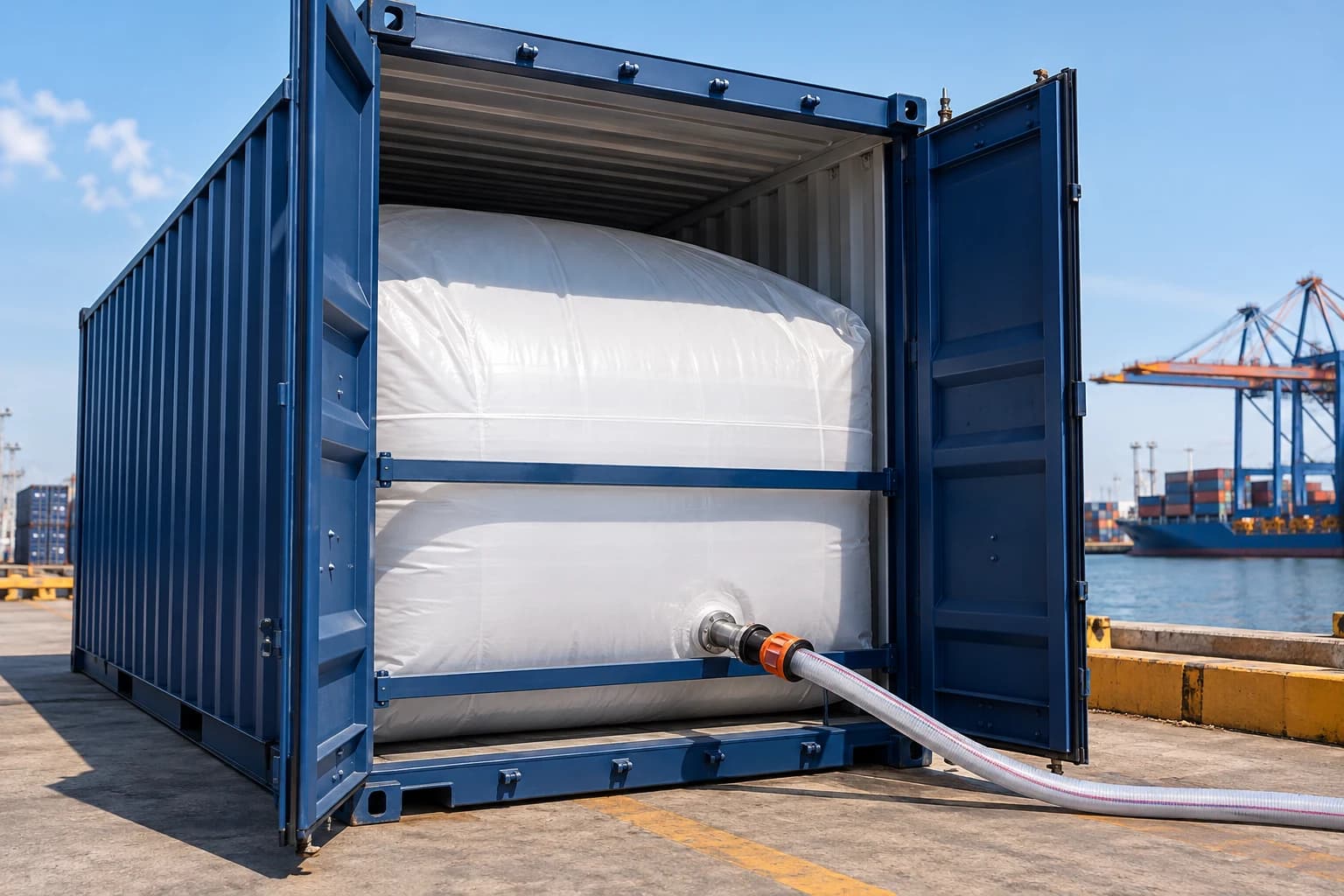
Most export UCO moves in flexitanks inside 20-foot containers for parcel sizes traders handle every week. Larger programmes may use chemical tanker parcels; the same quality and document rules apply, but heating, line cleanliness, and pump rates become part of the fixture.
Fix Incoterms, loading address, inspection window, and who pays demurrage before you book ocean freight. UCO is dense; weight outturn matters for invoicing. Confirm the container or tank is food-grade or chemical suitable as your buyer requires, and that the flexitank supplier matches the door opening at your warehouse.
Share draft bills of lading data with the buyer before sailing. Corrections after departure waste time at destination banks and customs.
Documents, payment and release of title
A workable export file usually includes the contract, commercial invoice, packing list, bill of lading, certificate of origin, certificate of analysis, inspection report if contracted, export permits, and sustainability declarations where applicable. EU importers add the establishment reference, filtration support, and importer declaration when Regulation 2025/2181 applies.
Agree payment before loading: documentary letter of credit, escrow, or cash against copy documents—each has a fraud profile if you skip verification. Never release original bills of lading or telex release until the agreed security is in place. Never pay a counterparty for “registration”, “documentation”, or “proof of product” upfront; that pattern appears repeatedly in UCO fraud warnings.
After discharge, archive the full chain—permits, COA, inspection, sustainability—for audits and repeat business. Buyers reorder from suppliers who answer document requests in one zip file, not in a two-week chase.
Common questions
Do I need a licence to export used cooking oil?
Often yes. Many countries classify UCO as waste and require a transport licence and an export permit or prior consent for each shipment. Confirm with your environmental or waste authority before signing a contract.
How is used cooking oil shipped for export?
Usually in flexitanks inside 20-foot containers, or in bulk on chemical tankers for larger parcels. The contract should fix the Incoterm, inspection at loading, and the named delivery or hand-off point.
Who buys exported UCO?
Biodiesel, HVO and SAF producers and the traders that supply them, mainly in Europe, Asia and North America. Each buyer sets its own specification, certification requirements, and payment terms.
What permits are commonly cited for African and Asian exports?
Examples traders check include NEMA export permits per consignment in Kenya, prior consent from South Africa’s competent authority, Egyptian licences for collection storage and export, and Indonesian export allocations and permits. Your country may differ—verify locally.
Can I export to the EU without ISCC?
Some EU buyers purchase UCO for non-fuel uses with different evidence, but biofuel-grade supply typically requires ISCC EU or equivalent chain of custody and Union Database compliance where applicable. Ask the buyer before you invest in certification.
When must my site be approved for EU buyers?
From 19 November 2027 under Regulation 2025/2181, UCO imported into the EU must come from an approved or registered establishment in the exporting country, with filtration and documentation meeting the regulation. Earlier shipments follow the rules in force on the arrival date.
Sources and evidence
Primary references support the stated technical definitions. Procurement checklists are editorial guidance, not evidence of a specific lot, shipment or certification.
- Kenya — Environmental Management and Co-ordination (Waste Management) Regulations, 2024
- South Africa — Regulations for the control of import or export of waste (as amended 6 February 2025)
- Egyptian Environmental Affairs Agency — Decree on used cooking oil handling (2025)
- Indonesia Ministry of Trade — Regulation 2/2025 on UCO, POME and HAPOR exports
- Commission Regulation (EU) 2025/2181 — Import of used cooking oil
- ISCC EU 203 — Traceability and chain of custody
Confirm laboratory methods, commercial terms and applicable requirements with the buyer and qualified advisers before contracting. No guide establishes stock availability or company certification.
Keep reading
Sell used cooking oil in bulk: prepare a supplier offer
Prepare a bulk UCO offer with available quantity, collection origin, lot analysis, loading details and explicit commercial conditions.

UCO trade scams: red flags, fake documents and a safe procedure
How used cooking oil scams work in real desk traffic — advance fees, forged bills of lading, recycled COAs, mislabelled cargoes — and the checks experienced buyers and sellers run before money moves.
Shipping used cooking oil in a flexitank
Prepare a UCO flexitank shipment with carrier approval, equipment compatibility, payload checks, sampling and receiving arrangements.
Request a quote
Tell us the volume, origin or destination, end use, quality and the documents you need. We will come back to you.
Request a quote