
Origins and destination markets
Selling UCO into the Netherlands and ARA: buyers, pricing basis and rules
The Netherlands is the main EU entry point for UCO. How the CIF ARA basis works, what Dutch and ARA buyers require, and the 2027 EU import conditions.
Direct answer
The Netherlands is the largest EU entry point for used cooking oil: in April 2026 it took 61% of extra-EU imports under HS 1518, according to customs data reported by Argus. Prices are usually referenced CIF Amsterdam–Rotterdam–Antwerp (ARA) for RED-certified oil. Sellers need ISCC EU evidence, Union Database entries and, from 19 November 2027, an approved or registered establishment of origin and an approved receiving plant.
Why the Netherlands and ARA sit at the centre of EU UCO trade
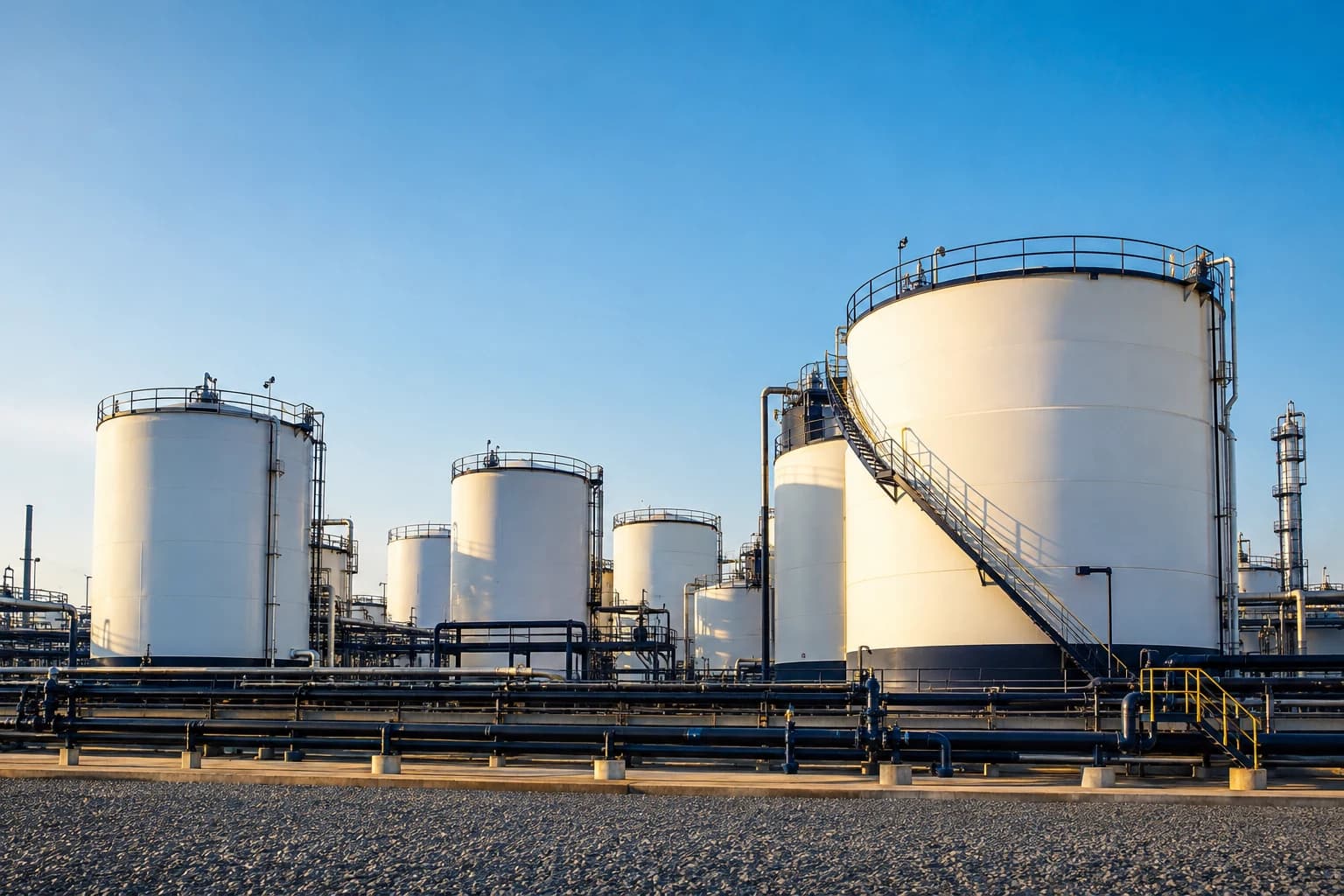
If you sell used cooking oil into Europe, you will hear ARA before you hear almost any other acronym. Amsterdam–Rotterdam–Antwerp is not a single port; it is a deep-water cluster where tank storage, biodiesel plants, renewable diesel units and trading desks sit close enough to share the same price language. Oil that lands in Rotterdam or Antwerp is often redistributed by barge or truck to Germany, Belgium, France or the UK. That is why customs statistics for the Netherlands look so large even when the end user is elsewhere.
EU customs data summarised by Argus show the Netherlands importing 141,300 tonnes of HS 1518 oils in April 2026, about 61% of the extra-EU total for that month, and roughly 597,000 tonnes over January–April. Spain took the next-largest share. Those figures are not a comment on Dutch frying habits; they measure where third-country UCO enters the Union’s commercial bloodstream. Exporters from China, Malaysia, Indonesia and other origins routinely discharge or tranship through ARA even when the sustainability declaration will eventually name a plant inland.
On a trading desk, that concentration has a practical effect. Buyers quote and compare cargoes against the same reference geography. Sellers who understand ARA logistics—where flexitanks discharge, which terminals handle UCO, how heating and pumping work in winter—have fewer surprises at delivery than sellers who only know the country name on the invoice.
What CIF ARA means—and what the public benchmark describes
CIF ARA means cost, insurance and freight paid to a port in the Amsterdam–Rotterdam–Antwerp range. The seller contracts ocean freight and minimum insurance to that destination; risk passes on board at the port of loading under Incoterms® 2020, while the buyer typically handles import clearance, duties where they apply, and discharge into storage or road tankers. For UCO, CIF ARA is the most common way European buyers talk about delivered value, especially when they compare Asian origin cargoes on equal footing.
Because so much oil is priced against ARA, trade press and price reporting agencies publish a UCO CIF ARA assessment. Those assessments are paid products; this guide does not reproduce dollar or euro levels. What matters for sellers is the specification the market uses as its starting point: a published UCO CIF ARA benchmark, for example, covers RED-certified UCO delivered in 1,000-tonne lots during the month ahead, EU duty unpaid, with FFA up to 5%, sulphur up to 50 ppm and MIU up to 2%. Your lot is then adjusted against that template—better or worse on quality, certification completeness, origin documentation, or delivery timing.
Treat the benchmark as a ruler, not as your invoice. A flexitank parcel of twenty-two tonnes does not automatically trade at the same differential as a thousand-tonne stem. Smaller lots carry inspection, handling and sustainability processing costs that a large cargo spreads thinly. Conversely, if your FFA, moisture or impurities sit above what the buyer expected, the conversation starts below the reference spec even when headline market commentary is firm.
Who buys UCO in the Netherlands and the wider ARA hub
The buyer list is a mix of biodiesel and HVO producers, renewable diesel refiners, oleochemical users, tank operators and trading houses that redistribute parcels across Europe. Some names are refiners you contract with directly; others are merchants who aggregate documented lots and resell into refinery programmes. Large refinery buyers usually run their own procurement specifications and audit trails; traders in the middle must match those specs lot by lot rather than blending paperwork at the desk.
Dutch and Belgian plants have consumed waste feedstocks for years under the EU Renewable Energy Directive, and the Union Database has made duplicate counting harder. That pushes buyers to ask for chain-of-custody evidence from the collecting point forward, not only from the exporter who appears on the bill of lading. If your loading site in Asia is certified but your aggregation story is thin, ARA buyers will pause even when the laboratory results look acceptable.
NOFOTA, the Dutch oils and fats trade association, publishes standard contract terms many ARA participants recognise. Its December 2024 warning about forged shipping documents reflects the fraud risk that comes with high volume. Counterparties who accept independent verification fare better than those who pay against scanned PDFs alone.
What ARA buyers require in the file
Refiners and traders in ARA expect an ISCC EU or equivalent chain of custody from the collecting point, a sustainability declaration for each lot, Union Database entries where the buyer’s compliance team requires them, a certificate of analysis tied to the inspected tank, and an independent inspection report at loading. They will check certificates in the scheme’s public register, not only on the attachment. A trader’s letterhead does not substitute for the collecting point certificate scope and validity dates.
Quality differentials are priced against the benchmark specification described above: higher FFA or MIU, sulphur above the agreed limit, or missing certification lowers the value of a lot in negotiation even when no public price is quoted in your contract. Phosphorus, metals and other hydrotreating parameters appear when the receiving plant pretreats for HVO or SAF rather than classic biodiesel. Ask for the buyer’s full spec early; ARA buyers are used to sellers who try to negotiate on FFA alone while ignoring metals.
Contracts often incorporate NOFOTA trading rules, then add quality and sustainability schedules as annexes. Payment structures vary—documentary credit, open account against trusted relationships, or escrow—but the constant is that documents must survive third-party checks. Turco & Co works with the certificates and sustainability declarations of operators in each chain and verifies them in the ISCC database; the desk does not present itself as an ISCC-certified operator.
- ISCC EU certificates along the chain, checked in the public register
- Sustainability declaration and UDB entry per lot where required
- Lot-specific COA and independent inspection report at loading
- Contract terms, often NOFOTA-based, with quality and sustainability annexes
- Named discharge port or terminal and receiving installation
- From 19 November 2027: approved origin establishment and approved receiving plant
Discharge, storage and the physical handover in ARA
Most export UCO still arrives in flexitanks inside twenty-foot containers, though larger bulk parcels also land at ARA terminals. Used cooking oil thickens in cold weather; discharge planning in Rotterdam or Antwerp in winter is not the same as in Singapore. Heating pads, steam, or time in a warm bay may be needed before the lot will pump. The party who controls the cargo at destination under the Incoterm should confirm those arrangements before the vessel arrives, not after demurrage clocks start.
Tank farms that receive UCO need compatibility with the product classification and, from 2027, with the animal by-products import rules for third-country waste oils. Sellers should confirm the receiving installation when they agree the delivery point—not only the port name. A CIF ARA quote tied to “Rotterdam” without a terminal or plant reference leaves room for a dispute about where the sustainability transfer happens and who pays for delays.
Independent inspection at loading remains the seller’s best defence. Seal numbers on the flexitank and container should match the survey report and the bill of lading; mismatches trigger hard stops at ARA desks.
The 2027 EU import conditions for cargoes into ARA
From 19 November 2027, Regulation (EU) 2025/2181 requires imported UCO to originate from an approved or registered establishment in the third country, to be filtered to at most 10% combined moisture and solids, to travel with the model importer declaration, and to move from the border to an approved biodiesel, renewable fuel, UCO handling or storage plant, or a registered oleochemical plant. This layer sits on top of ISCC and UDB requirements; it does not replace them.
ARA tank terminals that receive UCO will need the corresponding approval or registration under those rules. Exporters should start establishment listing with their competent authority well before the date; EU importers should confirm their nominated plant’s status in writing. A cargo that clears customs but cannot reach an eligible destination becomes a storage and liability problem, not a discount conversation.
If your contract runs into 2027, name who signs the importer declaration, which establishment reference applies to the loading site, and which EU plant receives the oil after border release. ARA’s concentration of volume means border control posts and terminals here will see the rule applied early; sellers who treat November 2027 as “later” often learn that listing timelines are measured in months, not weeks.
Common questions
What does CIF ARA mean for UCO?
Cost, insurance and freight paid to a port in the Amsterdam–Rotterdam–Antwerp area. It is the most common pricing basis for UCO delivered to Europe. The seller arranges ocean freight and minimum insurance; the buyer typically handles import clearance and discharge arrangements at destination.
Which EU country imports the most UCO?
The Netherlands, which took 61% of extra-EU imports under HS 1518 in April 2026 according to customs data reported by Argus, followed by Spain at 28% in the same month.
What quality spec does the UCO CIF ARA benchmark assume?
A typical published benchmark covers RED-certified UCO in 1,000-tonne lots for the month ahead, EU duty unpaid, with FFA up to 5%, sulphur up to 50 ppm and MIU up to 2%. Individual lots are adjusted against that template; this guide does not quote paid price levels.
Do ARA contracts always use NOFOTA terms?
Many do, because NOFOTA is the Dutch oils and fats trade association and its general conditions are familiar in the hub. Parties still attach their own quality, sustainability and delivery schedules; read the full contract, not only the acronym on the first page.
Does Turco & Co hold ISCC certification for ARA sales?
Turco & Co does not present itself as an ISCC-certified operator. When structuring EU-bound chains, the desk works with collecting points, exporters and sustainability declarations in the file and checks certificates in the ISCC public register.
What changes for UCO arriving in ARA from November 2027?
Regulation (EU) 2025/2181 adds approved or registered establishments of origin, a 10% moisture-and-solids limit after filtration, the model importer declaration and monitored transport to an approved or registered receiving plant in the EU.
Sources and evidence
Primary references support the stated technical definitions. Procurement checklists are editorial guidance, not evidence of a specific lot, shipment or certification.
- Argus — EU waste oils imports, April 2026 (EU customs data) · Secondary source — medium confidence
- Quantum Commodity Intelligence — UCO CIF ARA assessment methodology
- NOFOTA — Warning for fraud with documents in the UCO market (27 December 2024)
- Commission Regulation (EU) 2025/2181 — Import of used cooking oil
Confirm laboratory methods, commercial terms and applicable requirements with the buyer and qualified advisers before contracting. No guide establishes stock availability or company certification.
Keep reading

EU used cooking oil import rules from November 2027 (Regulation 2025/2181)
What Regulation (EU) 2025/2181 changes for UCO exporters and EU buyers: approved or registered establishments, filtration, the importer declaration and controlled transport to approved plants.

Selling UCO into Spain: HVO and SAF demand, buyers and import data
Spain is the second EU entry point for UCO, driven by HVO and SAF production such as Repsol’s Cartagena unit. Volumes, buyers and what they require.
UCO traceability: ISCC evidence and the Union Database
Organise origin, operator, certificate and transaction evidence for human review of a UCO sustainability requirement.
Request a quote
Tell us the volume, origin or destination, end use, quality and the documents you need. We will come back to you.
Request a quote