


















Fuel applications
UCO, UCOME, HVO and SAF: what is the difference?
Distinguish used cooking oil feedstock from biodiesel, renewable diesel and sustainable aviation fuel when preparing a procurement file.

Direct answer
UCO is a feedstock. UCOME is used-cooking-oil methyl ester biodiesel. HVO commonly describes hydrotreated renewable diesel, while SAF is aviation fuel produced through approved pathways. Buying UCO does not mean buying any of these finished fuels or proving eligibility for every pathway.
Separate raw material from finished fuel
The US Department of Energy distinguishes biodiesel from renewable diesel, including their different production routes. Used fats and oils can be inputs, but a feedstock lot must still be assessed by the receiving producer.
For an enquiry, state whether you seek raw UCO for processing or a finished fuel. Specify the actual receiving facility and its requirement. The public Turco & Co offering is UCO trading, not a claim of finished fuel stock.
Let the plant define the specification
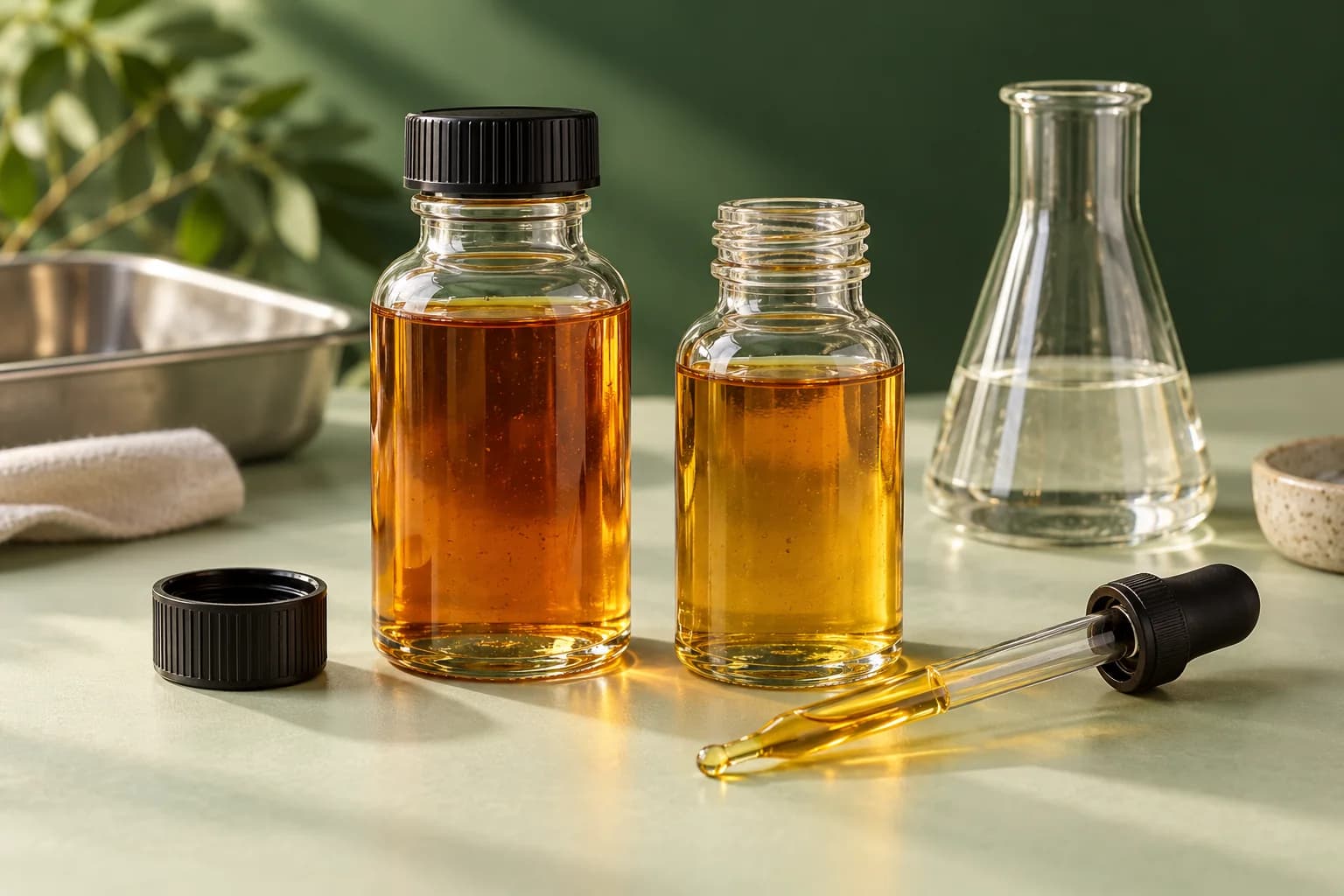
A buyer producing methyl ester biodiesel may screen a different set of process constraints from a hydroprocessing plant. Request the plant’s limits, accepted analytical methods and any additional contaminant panel.
Do not use one generic UCO sheet as proof of suitability for UCOME, HVO and aviation applications simultaneously. The producer must confirm compatibility with its process and required treatment.
Assess aviation requirements separately
IATA describes SAF feedstocks and approved conversion pathways. A raw material may be considered for a pathway without being a finished certified aviation fuel. Ask the producer to identify the intended pathway and required sustainability evidence.
Keep quality analysis, origin records and sustainability assessments separate in the procurement file. Feedstock acceptance and any environmental claim require the responsible producer and reviewers to validate the actual chain.
Buyer questions
Can UCO be used directly as aviation fuel?
UCO is a raw material, not finished aviation fuel. It requires an appropriate approved conversion pathway and producer acceptance.
Are UCOME and HVO the same product?
No. They refer to different fuel production routes and finished fuel types. Specify which feedstock application or finished product you actually need.
Sources and evidence
Primary references support the stated technical definitions. Procurement checklists are editorial guidance, not evidence of a specific lot, shipment or certification.
- US Department of Energy — Biodiesel basics ↗
- US Department of Energy — Renewable diesel ↗
- IATA — Sustainable aviation fuel ↗
Confirm laboratory methods, commercial terms and applicable requirements with the buyer and qualified advisers before contracting. No guide establishes stock availability or company certification.
Continue your assessment
UCO quality: FFA, moisture, impurities and MIV
Read UCO quality parameters correctly: free fatty acids, moisture, insoluble impurities, MIV, methods and contractual acceptance.
Filtered UCO vs pretreated UCO: questions for suppliers
Specify what filtration and pretreatment mean in a UCO offer and request analytical evidence of the material actually delivered.

UCO traceability: ISCC evidence and the Union Database
Organise origin, operator, certificate and transaction evidence for human review of a UCO sustainability requirement.
Discuss a documented UCO requirement
Send the quantity, loading and destination places, intended use, quality limits and required documents. Our trading desk can assess the file.
Discuss a documented UCO requirement →